
Stress can arrive without warning. A busy morning, difficult conversation, or endless notifications can leave your body feeling tense. Breathwork routines offer a simple way to pause and reconnect with your body. Your breathing changes naturally when you feel stressed, excited, or overwhelmed. Learning to guide your breath can help create a calmer moment during demanding days.
Breathwork involves intentional breathing patterns that encourage awareness and relaxation. You do not need special equipment or a large space. You can practice gentle breathing exercises while sitting at your desk or resting at home. With regular practice, these techniques can become useful parts of your daily wellness routine.
The goal is not to force your breathing. Instead, focus on comfortable, controlled breaths. If any technique causes dizziness or discomfort, return to normal breathing and stop the exercise.
Breathwork Routines and Nervous System Regulation
Your nervous system constantly responds to your surroundings. Stress can increase alertness, muscle tension, and heart rate. Slow, comfortable breathing may help shift attention toward relaxation.
Nervous system regulation does not happen through one technique alone. Sleep, movement, nutrition, social connection, and stress management also matter. Breathwork can complement these healthy habits.
Start with these simple principles:
- Sit comfortably with relaxed shoulders.
- Breathe slowly without forcing each breath.
- Keep your jaw and hands relaxed.
- Focus on smooth, comfortable breathing.
- Stop if you feel lightheaded or uncomfortable.
Regular practice can help you become more aware of physical stress signals. That awareness can make it easier to pause before stress feels overwhelming.
Breathwork Routines Using Simple Breathing Techniques
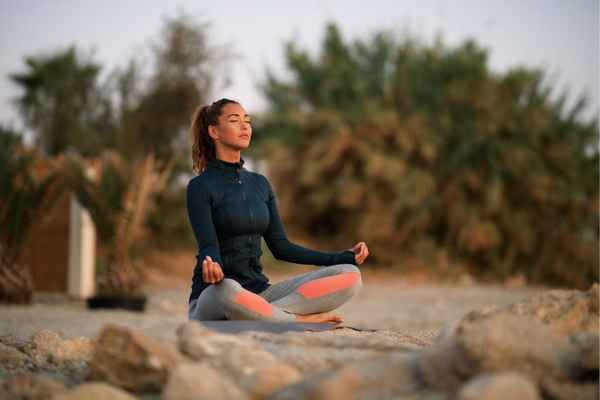
Different breathing techniques suit different situations. Some emphasize slower breathing, while others use structured patterns. Beginners should start gently and choose techniques that feel comfortable.
Box breathing offers a simple four-part pattern. You inhale, pause, exhale, and pause for similar counts. Keep each stage comfortable rather than forcing a specific duration.
Deep breathing exercises can also encourage relaxation. Take a comfortable breath through your nose and allow your abdomen to expand. Then slowly exhale without straining.
Try this short practice:
- Sit in a comfortable position.
- Relax your shoulders and face.
- Inhale slowly through your nose.
- Exhale gently and slowly.
- Repeat for several comfortable rounds.
These breathwork exercises work well during short breaks. You can practice them before a meeting or after a demanding task.
Breathing Exercises for Anxiety and Stress Relief
Many people search for breathing exercises for anxiety when stressful feelings appear. Gentle breathing can provide a useful grounding activity. However, breathing exercises should not replace professional support for persistent anxiety.
Stress relief breathing works best when you practice before stressful moments. Regular practice helps you become familiar with your breathing pattern. You can then use calming breathing exercises when you need a quiet pause.
Breathwork for stress can fit easily into daily life. Try a few relaxed breaths before opening your email. You can also practice after work to create a transition into personal time.
Diaphragmatic Breathing for Deeper Relaxation
Diaphragmatic breathing focuses on allowing the abdomen to move naturally during breathing. This approach can encourage slower, more comfortable breaths.
Lie down or sit comfortably and place one hand on your chest. Place the other hand gently over your abdomen. Breathe naturally and notice which hand moves more.
Avoid pushing your stomach outward or forcing deep breaths. Comfortable breathing matters more than taking very large breaths.
Relaxation breathing can become part of your evening routine. Pair it with dim lighting, gentle stretching, or quiet music. These small rituals can signal that your day is slowing down.
Vagus Nerve Breathing and Everyday Calm

The vagus nerve connects the brain with several organs throughout the body. Slow breathing can influence autonomic activity, including heart-rate patterns. Vagus nerve breathing generally refers to breathing practices intended to support relaxation.
Try a gentle rhythm with a slightly longer exhale. Never hold your breath for uncomfortable periods. Stop if you experience dizziness, chest discomfort, or unusual symptoms.
Breathing exercises for relaxation can also support mindfulness. Notice the air moving in and out rather than trying to achieve a particular feeling.
Breathwork Routines for a Sustainable Wellness Practice
Consistency matters more than intensity. You do not need a long session to create a useful habit. Start with two or five minutes and gradually build your routine.
Consider these practical opportunities:
- After waking up
- Before starting work
- During an afternoon break
- After exercising
- Before bedtime
You can also connect breathwork with other wellness habits. For example, practice breathing after stretching or before journaling. This makes your routine easier to remember.
Keep expectations realistic. Breathwork may help you feel calmer, but results differ between individuals. Persistent anxiety, breathing difficulties, or other health concerns require appropriate professional guidance.
Choosing the Right Breathwork Routines for You
There is no single perfect breathing exercise. Your needs may change throughout the day. A gentle approach can work well during stressful moments, while slower breathing may suit your evening routine.
Use this simple guide:
| Situation | Technique | Goal |
| Busy workday | Slow breathing | Create a pause |
| Feeling tense | Deep breathing exercises | Encourage relaxation |
| Before sleep | Relaxation breathing | Prepare for rest |
| Short break | Box breathing | Focus attention |
| Daily practice | Diaphragmatic breathing | Build awareness |
Think of breathwork as one tool within a broader wellness routine. Combine it with nutritious meals, regular movement, quality sleep, and meaningful connections.
FAQs
What is the best breathwork technique for regulating the nervous system?
There is no single best technique for everyone. Gentle, slow breathing with a comfortable exhale can support relaxation and body awareness.
Does breathwork regulate your nervous system?
Breathing patterns can influence autonomic activity and relaxation responses. Breathwork works best alongside healthy lifestyle habits.
How can I calm an overactive nervous system?
Try slow breathing, gentle movement, regular sleep, mindfulness, and quiet breaks. Seek professional support if symptoms remain persistent.
How can I breathe to relax my vagus nerve?
Try comfortable breathing with a slow, unforced exhale. Avoid aggressive breath holds or rapid breathing practices if they cause discomfort.
How often should I practice breathwork?
Start with a few comfortable minutes each day. Consistent practice may be easier to maintain than occasional long sessions.
Breathwork routines can create a simple pause when life feels overwhelming. Gentle breathing techniques can support relaxation, awareness, and everyday stress management. Explore more wellness products and resources at NineLife to support your journey toward a calmer, healthier lifestyle.