
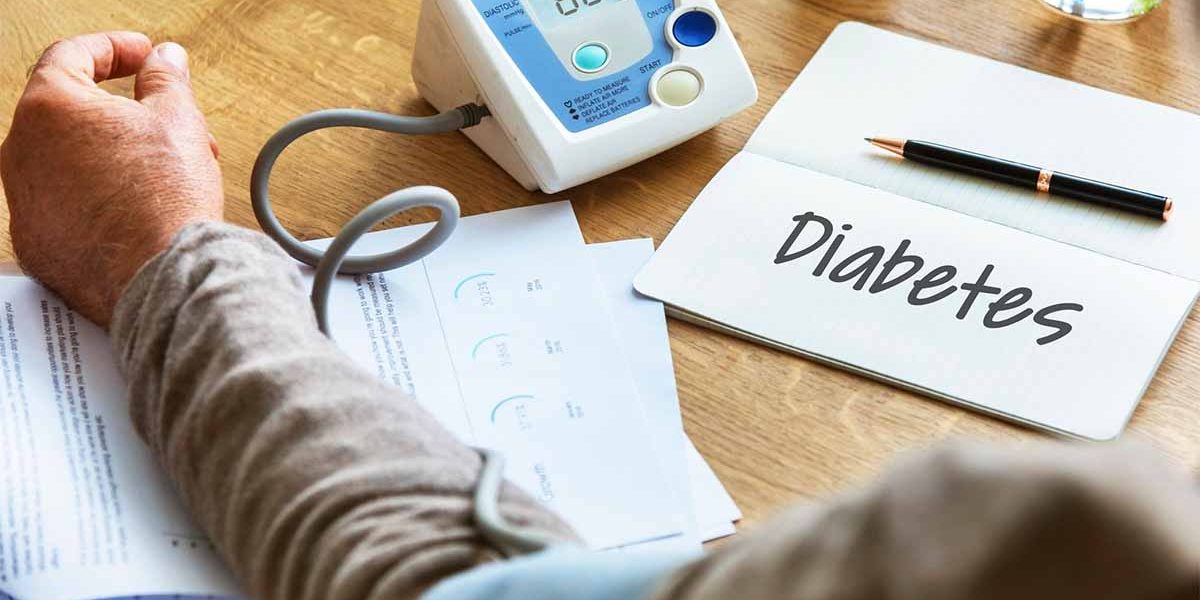
Living with diabetes means finding a balance—especially when it comes to staying active. Regular movement is a core part of diabetes self-care, but too much or the wrong kind of activity can lead to blood sugar imbalances or exhaustion. Whether you’re managing type 1 or type 2 diabetes, learning how to move your body safely is crucial. The good news is, with thoughtful planning, you can build a routine that supports your health and keeps your energy steady throughout the day.
Understanding Diabetes Self-Care for Long-Term Health
Diabetes self-care isn’t just about checking blood sugar and taking medications. It includes lifestyle habits that help you feel your best each day. Activity is one of the most powerful tools in your toolbox. It helps control blood glucose, supports weight management, and improves mood. But it has to be done right.
For those practicing type 2 diabetes self-care, regular physical activity helps the body use insulin more effectively. For people with type 1 diabetes, exercise can be beneficial, but it requires closer monitoring to prevent blood sugar crashes. The key is to choose activities that suit your fitness level, monitor your blood sugar before and after workouts, and fuel your body with the right foods.
It’s also important to stay hydrated and avoid overexertion. Rest days, low-impact exercises, and stretching are part of a smart and sustainable plan.
Smart Ways to Stay Active Without Overdoing It
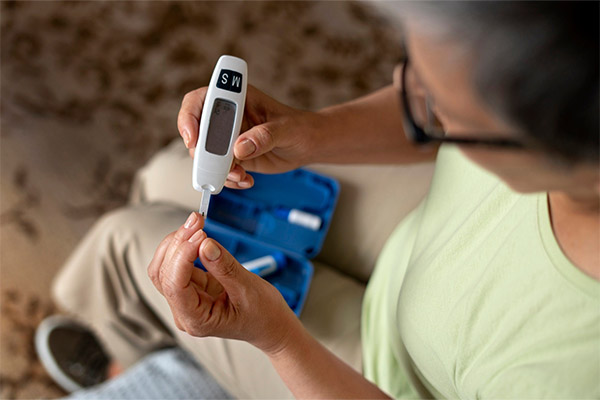
The first step in building a safe routine is understanding how your body responds to exercise. Start slow, especially if you’re new to fitness. Walking is an excellent starting point. It’s gentle, requires no equipment, and helps lower blood sugar levels when done regularly.
Low-impact workouts like yoga, swimming, or cycling can also be ideal. They improve strength and flexibility without putting too much pressure on the joints or causing extreme blood sugar swings.
Type 1 diabetes self-care often involves checking glucose levels more frequently, especially before workouts. Always carry a fast-acting carbohydrate like glucose tablets, fruit juice, or a banana, just in case your sugar drops too low.
If you’re wondering how to get sugar out of your system immediately after a spike, exercise can help. Moderate movement encourages your muscles to absorb more glucose, lowering your levels naturally. But avoid high-intensity workouts if your sugar is already high, especially if you feel tired or dehydrated.
Nutrition and Hydration Go Hand in Hand with Activity
To keep your energy steady, start your day with the best breakfast for diabetics. Choose a combination of protein, fiber, and healthy fats. A bowl of steel-cut oats with almond butter and a boiled egg is a good example. This type of meal digests slowly, preventing rapid blood sugar spikes and crashes.
Before working out, eat a small snack that contains carbs and protein—like Greek yogurt with berries. After exercise, rehydrate and eat something balanced to restore glycogen levels and help muscles recover.
Staying hydrated is just as critical. Keep diabetic drinks on hand—like infused water, herbal tea, or electrolyte beverages made for people with diabetes. Avoid sugary sports drinks, which can undo the benefits of your workout by spiking your glucose levels.
Preventing Burnout and Staying Consistent

One of the biggest challenges in diabetes self-care is sticking to a routine. Pushing too hard can lead to burnout, while being too cautious can slow progress. The secret lies in consistency and listening to your body.
If you’re tired, it’s okay to take a rest day or swap a high-energy workout for a walk or gentle stretching. Monitor how you feel during and after exercise. Fatigue, dizziness, or unusual sweating could be signs of low blood sugar, especially during prolonged or intense activity.
If you’re trying to learn how to control diabetes without medicine, movement plays a key role. For type 2 diabetes, daily physical activity, when combined with healthy eating and stress management, may reduce your reliance on medication over time. However, never change your prescription plan without consulting your healthcare provider.
Creating a Personalized Diabetes Self-Care Plan
A personalized approach to diabetes self-care takes into account your age, medical history, lifestyle, and preferences. You don’t have to run marathons or go to the gym daily. What matters is moving regularly, even if it’s just dancing in your living room, gardening, or walking after meals.
Make sure to plan meals around your exercise schedule. Eat something before and after your activity to help stabilize blood sugar. The best breakfast for diabetics can become your daily foundation. Combine that with nutritious diabetic drinks and a varied diet rich in vegetables, whole grains, lean proteins, and healthy fats.
Whether you’re managing type 1 diabetes self-care or type 2 diabetes self-care, consistency is key. Set realistic goals, track your progress, and celebrate your wins—even the small ones.
Conclusion

Staying active with diabetes doesn’t mean pushing your limits. With the right knowledge and planning, you can support your health, avoid complications, and feel better day by day. Focus on gentle, regular movement, pair it with nutritious meals and diabetic drinks, and keep track of how your body responds. A well-rounded diabetes self-care routine makes all the difference.
Visit NineLife.com to explore expert-recommended self-care essentials designed to support your diabetes journey—one step at a time.





