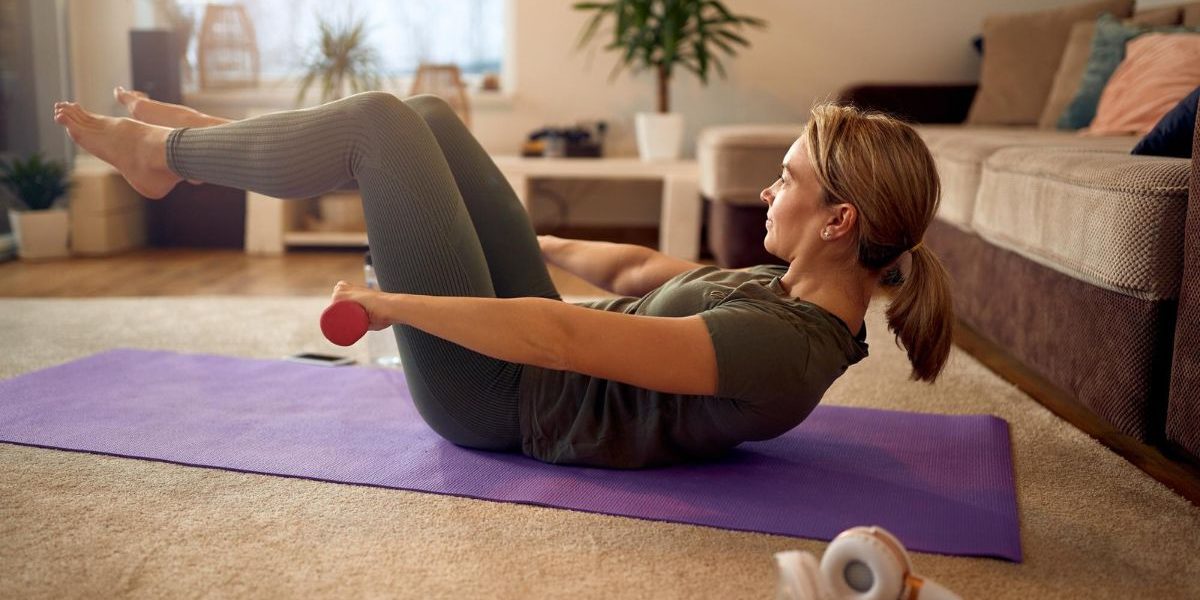
You do not need a gym to build a consistent fitness routine. Low-impact home training can help you stay active without machines, weights, or expensive memberships. It offers a practical way to move your body while keeping movements comfortable and controlled. For many people, gentle exercise also creates a useful break from stressful routines.
A workout at home can fit easily around work, family, and personal commitments. You can exercise in your bedroom, living room, balcony, or any clear space. With the right home workout plan, even short sessions can become part of your regular routine.
Low-impact movement may also support relaxation when you approach exercise mindfully. However, exercise does not directly treat nervous system disorders. If you experience persistent symptoms, speak with a qualified healthcare professional.
Low-Impact Home Training for Beginners
A beginner home workout should feel achievable rather than exhausting. Start with simple bodyweight exercises and focus on controlled movement. You can gradually increase repetitions as your strength and confidence improve.
Try these movements during your first few sessions:
- Chair squats
- Wall push-ups
- Glute bridges
- Standing calf raises
- Bird-dog exercises
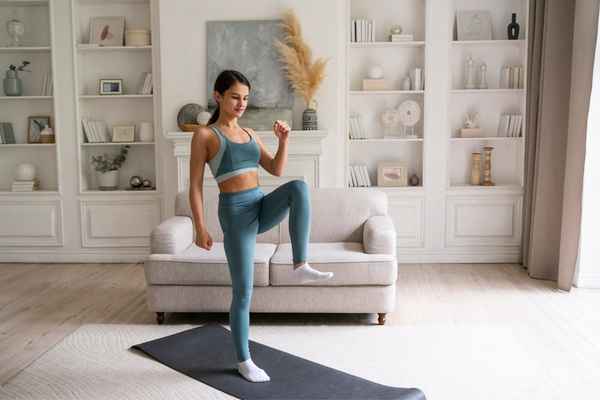
- Marching in place
These low impact exercises strengthen major muscle groups without requiring heavy equipment. Keep your movements slow and maintain comfortable breathing throughout each exercise.
Start with five to ten repetitions per movement. Take short breaks whenever you need them. Your goal should remain consistency rather than intensity.
Low-Impact Home Training With Bodyweight Exercises
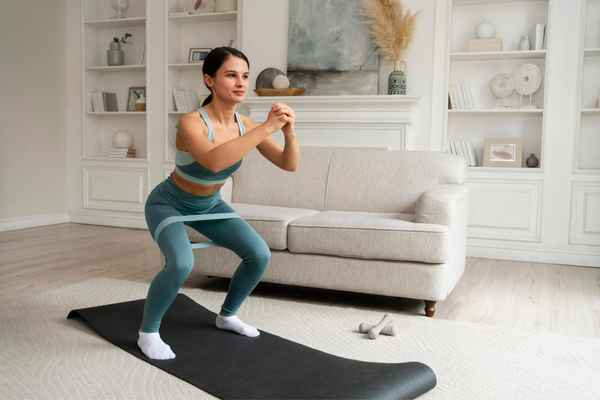
Bodyweight exercises use your own weight as resistance. They can strengthen your legs, arms, core, and back. You can also adjust most movements according to your current fitness level.
A no equipment workout can include several simple movements. For example, combine squats, wall push-ups, glute bridges, and bird-dogs.
Here is a simple structure:
| Exercise | Repetitions | Main Focus |
| Chair squats | 10 | Legs and glutes |
| Wall push-ups | 8–10 | Chest and arms |
| Glute bridges | 10–12 | Glutes and hips |
| Bird-dogs | 6 each side | Core and balance |
| Calf raises | 12 | Lower legs |
| Marching | 30 seconds | Light cardio |
Rest between exercises and adjust the repetitions when necessary. This approach makes a home workout no equipment routine easier to maintain.
Low-Impact Home Workout for Full-Body Fitness
A full body home workout does not need complicated programming. Choose movements that target different muscle groups. Add light cardio to increase overall movement.
A low impact workout could begin with two minutes of marching. Follow it with chair squats, wall push-ups, glute bridges, and bird-dogs. Finish with gentle stretching.
This sequence provides strength, mobility, and light cardiovascular movement. It also works well as an equipment free workout for beginners.
If you have joint concerns or an existing medical condition, ask a healthcare professional about suitable exercises.
Low-Impact Home Training and Low Impact Cardio
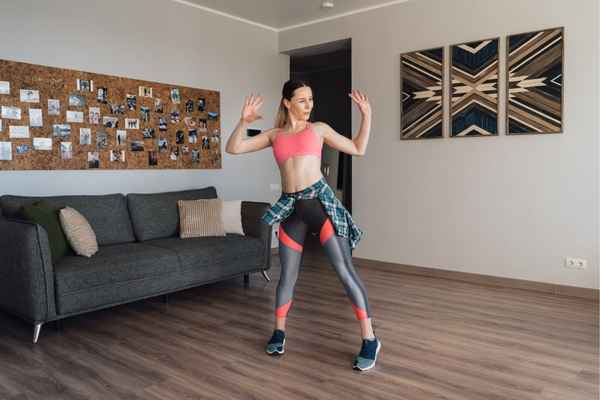
Cardio does not always mean running or jumping. Low impact cardio can raise your heart rate without repeated jumping movements.
Try these options:
- Marching in place
- Side steps
- Step touches
- Gentle dancing
- Standing knee lifts
- Slow walking around your home
Keep the intensity comfortable. You should still be able to speak during most low-intensity sessions.
A low impact home workout can combine these movements with basic strength exercises. This combination creates variety and prevents your routine from becoming boring.
Building a Home Fitness Routine That Lasts
The best home fitness routine fits your real schedule. Do not create a plan that requires an hour every day if you cannot maintain it.
Instead, start with three short sessions each week. Increase the duration when your routine becomes comfortable.
Your home workout plan could look like this:
Monday: Full-body strength
Wednesday: Low impact cardio
Friday: Strength and mobility
Weekend: Walking or gentle movement
This schedule leaves room for recovery. It also makes your workout at home easier to fit into busy weeks.
Gentle workouts can become especially useful when you feel tired. Choose lighter movements instead of skipping activity completely. Listen to your body and rest when you need it.
Home Workout No Equipment for Daily Movement
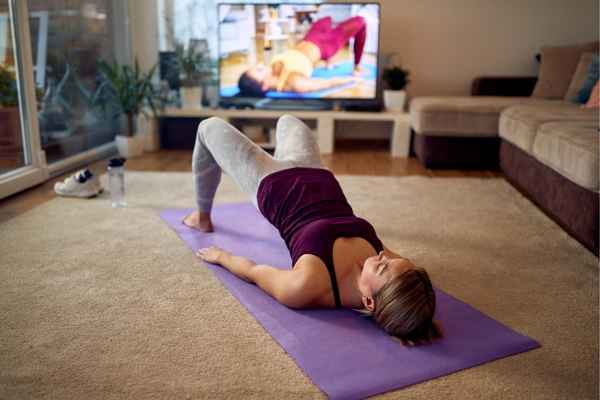
A home workout no equipment routine can help you stay active during busy days. You can complete short movement breaks between household tasks or work sessions.
Try a five-minute movement break:
- March for one minute.
- Complete ten chair squats.
- Perform eight wall push-ups.
- Complete ten glute bridges.
- Stretch gently for one minute.
You can repeat this sequence later if you feel comfortable. Short sessions can make physical activity feel less overwhelming.
Remember that movement should support your wellbeing rather than become another source of pressure.
Low-Impact Home Training for Everyday Wellness
Fitness involves more than exercise alone. Nutrition, hydration, sleep, recovery, and stress management all influence your overall wellbeing.
An equipment-free routine removes many barriers to exercise. You can begin without buying equipment or traveling to a gym.
The most important step involves starting with movements you enjoy. Choose exercises that feel comfortable and practical. Then build consistency one session at a time.
FAQs
How to do a gym workout at home without equipment?
Use bodyweight exercises such as squats, wall push-ups, lunges, glute bridges, and bird-dogs. Add marching for light cardio.
Do home workouts with no equipment work?
Yes. Home workouts can improve strength, mobility, endurance, and fitness when you practice consistently.
Can you give me an example of a no-equipment home workout plan?
Try three weekly sessions. Include squats, wall push-ups, glute bridges, bird-dogs, marching, and gentle stretching.
What are 7 exercises I can do every day without equipment?
Try squats, wall push-ups, glute bridges, calf raises, bird-dogs, marching, and gentle standing stretches.
How long should a beginner home workout last?
Start with 15 to 20 minutes. Increase the duration gradually as your fitness and confidence improve.
Low-impact home training can make regular movement simple, accessible, and sustainable. A few bodyweight exercises can support strength and mobility without a gym membership. Start small, listen to your body, and create a routine that fits your lifestyle. Explore wellness products and resources at NineLife to support your everyday health and wellbeing.