

Malnutrition in adults affects millions of individuals around the globe and impacts both physical and mental well-being. While many assume this condition is limited to underdeveloped regions, malnutrition in adults can occur anywhere. To address and remedy the issue, it’s important to first understand adult malnutrition in depth.
What Is Adult Malnutrition?
Malnutrition occurs when the body does not receive the nutrients it needs to function properly. It can result from an insufficient or imbalanced diet, or deficiencies in certain vitamins or minerals. An affected person may experience an array of health issues, depending on the nature and seriousness of their condition. Signs of malnutrition in adults include a weakened immune system, poor wound healing, slow recovery from illness, and chronic fatigue.
The Causes of Malnutrition in Adults
Several circumstances or behaviors can cause or worsen malnutrition in adults. Some of the most common causes include:
1. Poor Dietary Choices

Because convenience often takes priority over nutrition in all of our busy schedules, it’s quite easy to make poor dietary choices. Processed and fast foods lack essential nutrients, so while they’re easy to access, a long-term diet consisting of mostly these foods can lead to deficiencies that evolve into serious malnutrition in adults.
2. Chronic Illnesses
Certain health conditions can increase the risk of malnutrition in adults. Diseases like cancer, diabetes, digestive disorders, or conditions impacting the thyroid often affect the body’s ability to absorb nutrients.
For instance, a person with Crohn’s disease may struggle to absorb essential vitamins, leading to weight loss, fatigue, and general weakness.
3. Mental Health Issues
Depression, anxiety, and other mental health conditions can interfere with a person’s appetite and eating habits. Adults with mental health struggles may skip meals or eat inadequately, which tends to exacerbate nutrient deficiencies over time.
4. Socioeconomic Factors
Financial limitations often lead individuals to prioritize food cost over quality. Nutritious options like fresh produce and lean proteins may be replaced with cheaper, calorie-rich but nutrient-poor alternatives. Poverty contributes significantly to malnutrition in adults, as these conditions are often incredibly challenging to overcome.
5. Aging
Older adults are especially vulnerable to malnutrition for several reasons. Diminished appetite, difficulty chewing or swallowing, and the effects of medications can all play a role in a senior’s appetite and ability to absorb enough nutrients from food.
On top of that, social isolation and limited mobility can restrict access to nutritious meals.
Recognizing Malnutrition Symptoms in Adults

Detecting malnutrition symptoms in adults early is important for preventing severe health complications. As mentioned, the common signs include weight loss and chronic fatigue, but more serious conditions may come with moderate to severe muscle weakness and a decline in cognitive function.
For healthcare professionals, protein calorie malnutrition criteria (like low body mass index (BMI) and reduced muscle mass) are incredibly helpful tools when it comes to diagnosing malnourished adults.
Solutions to Prevent Malnutrition
While adult malnutrition is serious, there are steps you can take to prevent it.
Eat Nutrient-Rich Foods
While we can only work with the resources we have, striving for a balanced diet is key. Adding nutrient-dense foods like fruits, vegetables, lean protein, and whole grain helps ensure the body receives what it needs to function.
Even if fresh produce is inaccessible, canned or frozen products make a decent substitute.
Focus on Protein Intake
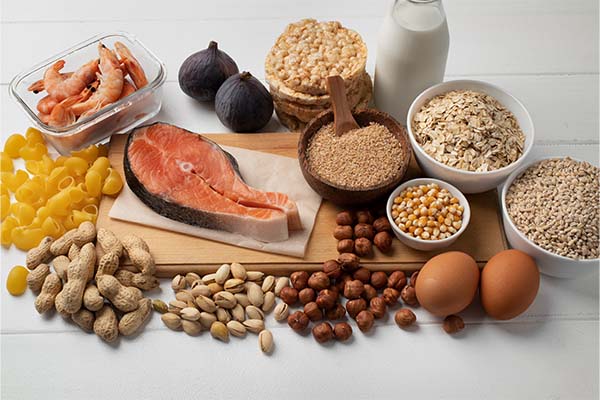
Protein is critical for muscle repair, immune function, and overall health, so do your best to make sure you’re getting enough of it through food. Eggs, legumes, and chicken breast are excellent sources of protein. Chicken breast nutrition, in particular, offers a high-protein, low-fat option that’s ideal for maintaining muscle mass and preventing malnutrition.
Learn About Nutrition
Understanding nutrition facts on food labels can inspire individuals to make healthy choices. By assessing calories, macronutrients, and vitamins, adults can make sure they meet their dietary requirements and avoid nutrient deficiencies at the same time.
Supplement When Necessary
In cases where simply eating more of a certain type of food isn’t an option, supplements can help fill in nutritional gaps. For example, a daily multivitamin can be an effective option for individuals who are at risk of developing malnutrition.
Addressing the Root Causes

Preventing malnutrition in adults calls for a well-rounded approach that addresses its many possible causes. Community efforts, such as nutrition education programs and food assistance services, can make a great impact. Healthcare providers should also screen for malnutrition during routine visits, especially in high-risk populations like senior citizens or those with chronic illnesses.
By understanding the causes of malnutrition, knowing the signs, and striving for balanced nutrition, we can work toward reducing how often this condition develops. Simple steps can make a major difference in the lives of individuals in need of healthier food options.





