
When it comes to supporting a healthy heart, your diet plays a powerful role. Cardiovascular disease remains a leading cause of death globally, but many risk factors are preventable with lifestyle changes—especially through the food you eat. Choosing the right heart healthy foods can help manage cholesterol, reduce blood pressure, and keep your arteries clear. So, what is a heart healthy diet, and how can it help you thrive? This blog explores the essentials of a cardiac diet, identifies foods good for your heart, and shares simple ways to prepare heart healthy meals at home.
Building Blocks of a Healthy Heart Diet
Eating for a healthy heart begins with understanding how nutrition affects your cardiovascular system. A cardiac diet focuses on limiting saturated fats, trans fats, added sugars, and sodium—while increasing fiber, antioxidants, and essential nutrients. The goal is to reduce inflammation, manage weight, and protect artery walls from damage.
Let’s start with a heart healthy foods list to make your grocery runs easier. These items are rich in nutrients and proven to benefit heart function:
- Leafy greens like spinach, kale, and Swiss chard
- Whole grains such as oats, brown rice, and barley
- Quinoa – a super grain high in protein and fiber
- Berries – loaded with antioxidants that protect the heart
- Avocados – a source of heart-healthy monounsaturated fats
- Fatty fish like salmon and mackerel – packed with omega-3 fatty acids
- Legumes – beans, lentils, and peas are high in fiber and low in fat
- Nuts – especially almonds and walnuts, which support lower cholesterol
Each of these heart health foods offers specific nutrients that lower your risk of heart issues. Take quinoa nutrition as an example—it’s a complete protein that contains fiber, magnesium, and iron, all important for cardiovascular health. These are good foods for the heart.
Heart Healthy Meals Made Simple
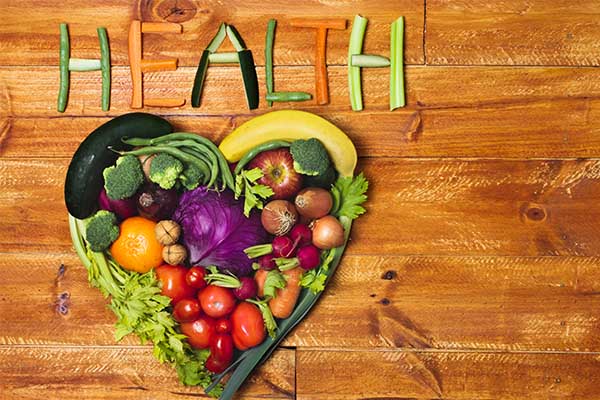
Creating heart healthy meals doesn’t mean sacrificing flavor. It’s about combining the right ingredients to support long-term wellness. For breakfast, try overnight oats with chia seeds, almond milk, and berries. Quinoa bowls with grilled vegetables and avocado make a nourishing lunch. Dinner could be baked salmon with sweet potatoes and sautéed greens.
The key is consistency. By making smart choices every day, you begin to answer the question, how to keep heart healthy? One way is to cook more at home, which helps you control salt and fat content. Use olive oil instead of butter, choose whole grains over refined ones, and flavor meals with herbs instead of salt.
Meal prep can also help. When you prepare ahead, you’re less likely to reach for processed or high-sodium foods. Include a mix from the heart healthy foods list and rotate your proteins between fish, legumes, and lean poultry. Snack on fruit, nuts, or hummus with veggies.
Understanding Heart Disease Symptoms and Prevention

Even with the best intentions, it’s crucial to know the signs of heart trouble. Recognizing heart disease symptoms early could save your life. These symptoms include chest pain or discomfort, shortness of breath, fatigue, nausea, and irregular heartbeat. Sometimes, signs are subtle—especially in women—so regular checkups are essential.
Diet plays a preventive role. If you’ve wondered, what is a heart healthy diet, think of it as one rich in color, fiber, and good fats. It also means reducing red meat, avoiding sugary drinks, and staying hydrated. Following a cardiac diet doesn’t just support your heart—it boosts energy, enhances digestion, and helps manage blood sugar.
Studies show that a diet rich in heart health foods like leafy greens, legumes, and fatty fish can significantly reduce your risk of heart disease. These foods contain antioxidants and anti-inflammatory compounds that strengthen the cardiovascular system.
Why a Heart Healthy Lifestyle Matters

Maintaining a healthy heart requires more than just dietary changes. It’s a combination of habits that includes exercise, sleep, stress management, and avoiding tobacco. But diet remains the foundation. Every bite you take can either help or harm your heart.
If you’re aiming for better heart health, start small. Swap white rice for quinoa to take advantage of quinoa nutrition. Choose salmon over processed meats. Add berries to your cereal. Drink more water. Over time, these little changes add up to a big difference.
Planning meals based on a heart healthy foods list allows you to create a sustainable routine. With practice, you won’t even need to think about what’s good or bad—it becomes second nature. And when friends ask you how to keep heart healthy, you’ll have real answers based on your experience.
For those already dealing with high cholesterol or blood pressure, shifting to heart healthy meals can be part of a healing strategy. It’s not just about preventing problems—it’s about managing them effectively. Many doctors recommend a cardiac diet to patients with early signs of heart disease. It supports better lab results and can even reduce the need for medications.
Eating for a Healthy Heart
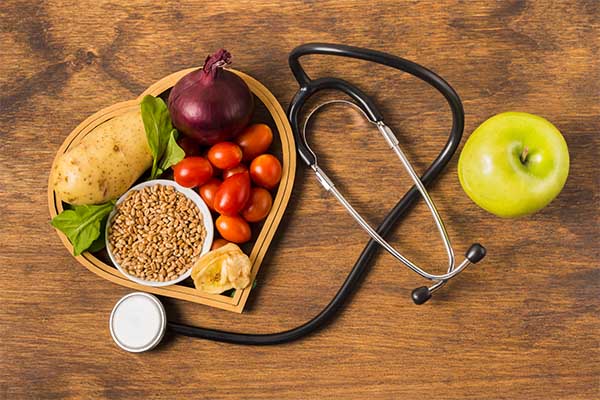
A healthy heart begins in the kitchen. With the right ingredients and a little planning, you can nourish your cardiovascular system and reduce the risk of serious disease. Whether you’re preventing future issues or managing existing ones, the power of food cannot be overstated.
Remember, it’s never too early—or too late—to start eating for your heart. Build your meals around the heart healthy foods list, pay attention to heart disease symptoms, and enjoy the delicious variety that comes with a cardiac diet.
The journey toward a healthy heart is personal, but you don’t have to do it alone. Let NineLife support your wellness journey with curated products, resources, and expert tips designed to keep your heart strong.
Visit NineLife.com today and take your first step toward a healthier heart and health care.