
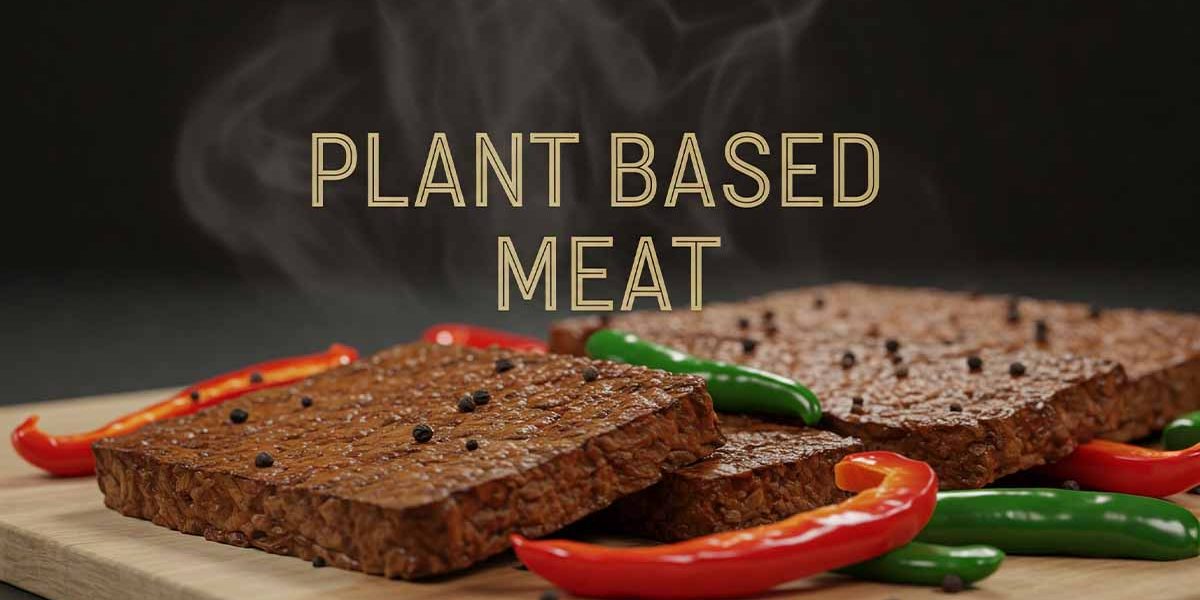
In recent years, meat alternatives have moved from specialty shelves to mainstream menus. More people are turning to plant-based options to improve their health, protect the environment, and explore new tastes. Whether you’re curious about vegan meat substitutes or wondering, is plant based meat healthy, the shift toward cleaner, conscious eating is clear. Understanding what is plant based meat and why it matters can help you make informed dietary decisions that benefit your body and the planet.
The Rise of Meat Alternatives in Modern Diets
Today, consumers are making thoughtful choices about what goes on their plate. Meat alternatives are no longer just for vegans or vegetarians—they’re for anyone looking to eat smarter. These products are created to look, taste, and feel like animal-based meat, but are entirely plant-based.
One common question is: What is plant based meat? It’s a type of meat replacement made using plant ingredients such as soy, peas, lentils, mushrooms, or jackfruit. These ingredients are transformed using advanced food technology to mimic the texture and flavor of traditional meat.
Plant based meat is rich in protein and often fortified with essential nutrients like B12 and iron. For those concerned about cholesterol or saturated fat, plant based meat products offer a heart-friendly alternative. They provide similar satisfaction without the health drawbacks linked to red and processed meats.
Another factor driving the popularity of vegan meat substitutes is environmental awareness. Producing plant-based meat uses less water, land, and energy compared to raising livestock. Choosing meat alternatives is a sustainable way to reduce your carbon footprint while still enjoying familiar food experiences.
Benefits of Choosing Plant-Based Meat Products

There are several reasons why meat alternatives are becoming a popular choice in households around the world:
- Health benefits – Many plant-based meat options are low in cholesterol and contain less saturated fat. This makes them a suitable choice for people watching their heart health.
- Ethical choices – Meat replacement products allow consumers to support animal welfare without sacrificing flavor or variety.
- Dietary flexibility – People with dietary restrictions, such as lactose intolerance or religious dietary laws, find plant-based meat easier to incorporate into their meals.
- Environmental impact – Switching to meat alternatives can help combat deforestation, water pollution, and greenhouse gas emissions.
- Convenience and availability – With growing demand, plant based meat products are widely available in supermarkets and restaurants.
Many people still ask, is plant based meat healthy? The answer depends on the product and how it’s prepared. Look for minimally processed options with whole-food ingredients. Avoid items high in sodium or additives, just as you would with any processed food.
Vegan meat substitutes include a wide range of options like burgers, sausages, nuggets, deli slices, and even seafood alternatives. These items offer a tasty and satisfying experience that appeals to both seasoned vegans and meat-eaters alike.
It’s worth noting that plant based meat is not about deprivation—it’s about making better choices. You can still enjoy barbecues, comfort food, and family meals while choosing a healthier and more ethical route.
How to Add Meat Alternatives to Your Diet

Making the switch to meat alternatives doesn’t have to be drastic. Start by replacing meat in one or two meals a week. A plant-based burger for lunch or tofu stir-fry for dinner can make a big difference. Gradually experimenting with different plant based meat products allows your palate to adapt without feeling forced.
Some popular meat replacement ideas include:
- Swapping ground beef with lentil or pea protein mince in tacos
- Using plant-based chicken for salads and wraps
- Trying vegan sausages in breakfast dishes
- Making spaghetti with plant based meatballs
Cooking with these ingredients is easy, especially since they often come pre-seasoned and ready to heat. They fit into most recipes and add nutritional value while keeping meals exciting.
Parents also find meat alternatives helpful for encouraging kids to eat more vegetables. The familiar look and taste can reduce resistance and make healthy eating more fun for the entire family.
When buying plant based meat, always check the label. Choose options that are high in protein, low in saturated fat, and free from artificial preservatives. Homemade versions using beans, oats, mushrooms, or grains also offer a cleaner and more budget-friendly option.
Final Thoughts: Make the Switch to Better Eating
Choosing meat alternatives isn’t about giving up the foods you love—it’s about upgrading them. With so many plant-based meat products available today, it’s easier than ever to eat with purpose. Whether you’re concerned about your health, the planet, or ethical eating, these options offer a practical and tasty solution.
Vegan meat substitutes are here to stay, and they’re transforming the way we think about food. If you’ve been asking, what is plant based meat or whether it’s right for you, now is the perfect time to explore. Small changes can lead to big impacts—for your body and the world around you.
Enjoy the same texture, taste, and satisfaction of meat while supporting your long-term wellness goals. Be part of a movement that promotes health, sustainability, and conscious living.
Visit NineLife.com to discover our collection of plant-based meat alternatives and start your journey toward better eating today.





