
In the fitness world, training plans often go one of two ways. Some athletes gravitate toward the heart-pounding realm of endurance, while others adopt the power-packed mindset that comes with lifting heavy. Whether you are looking to lose weight, build muscle, or simply improve your longevity, the cardio vs strength training debate is a classic one.
The truth is, your body needs both. Physical fitness guidelines generally recommend at least 150 minutes of moderate-intensity cardio per week, paired with two days of strength-building activities. Let’s break down the differences and help you decide how to balance cardio and strength training for your unique goals.
What Does Cardio Mean?
If we are going to compare these two pillars of fitness, we must first define them. What does cardio mean in a practical sense? Short for cardiovascular exercise, cardio (also known as aerobic exercise) refers to any activity that gets your heart rate up and keeps it there for an extended period.
When you perform cardio workouts at the gym, your muscles require more oxygen to produce energy. Common examples include:
- Running or power walking
- Cycling and stationary bikes
- Swimming
- Rowing and elliptical training
The Power of Strength Training
Strength training (anaerobic exercise) features short bursts of high-intensity energy that activate and test your muscles using resistance. While cardio focuses on the efficiency of your heart and lungs, strength training focuses on the “tear-down-and-rebuild” process of muscle fibers.
Popular methods of strength training include:
- Weightlifting with dumbbells or barbells
- Bodyweight exercises like push-ups and planks
- Resistance band workouts

Cardio vs Weights: The Benefits
Both forms of exercise offer life-changing health benefits, but they excel in different areas. Understanding these can help you maximize your time at the gym.
Calorie Burn and Weight Loss
If your primary goal is immediate calorie incineration, cardio is the clear winner. A 30-minute run typically burns more calories than a 30-minute lifting session. However, cardio vs weights isn’t just about the workout itself.
Strength training offers an “after-burn” effect known as Excess Post-exercise Oxygen Consumption (EPOC). This means your metabolism stays elevated for up to 48 hours after a tough lifting session. Additionally, because muscle tissue burns more calories at rest than fat tissue, increasing your muscle mass raises your overall daily metabolic rate.

Muscle Mass and Endurance
Cardio workouts build “endurance strength,” allowing your muscles to perform for longer periods without fatigue. On the other hand, if you want “beefier” muscles or a toned physique, strength training is essential. It overloads the muscle fibers, signaling the body to repair them so they return bigger and stronger.
Mental Health and Sleep
Both types of exercise are incredible for stress relief. Research suggests that cardio may be slightly more effective at reducing immediate anxiety, while strength training offers a significant boost to self-esteem and body image. Furthermore, recent studies have shown that resistance training might have a slight edge when it comes to improving sleep quality and duration.
How to Combine Cardio and Strength Training
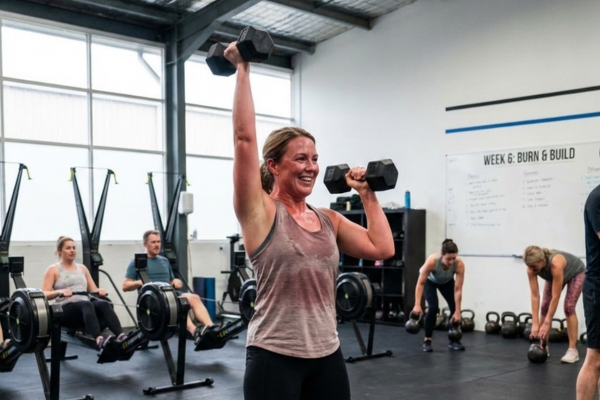
You don’t have to choose only one. In fact, a cardio strength workout, often referred to as HIIT (High-Intensity Interval Training), combines the best of both worlds by moving through resistance exercises with very little rest.
Should You Do Cardio After Lifting?
A common question among gym-goers is whether to do cardio after lifting or before. Most experts suggest lifting weights first if your goal is strength or muscle growth. This ensures you have the most energy and “explosive power” for your heavy sets. Doing your cardio at the end of the session allows you to burn off remaining glycogen stores without compromising your form during lifts.
How to Start Your Fitness Journey
Starting a new routine can feel overwhelming, but a balanced plan makes it manageable:
- Assess Your Goals: Focus on cardio for heart health/endurance and weights for metabolic health/strength.
- Schedule Your Week: Aim for three days of cardio and two days of full-body strength.
- Listen to Your Body: Recovery is where the progress happens. Don’t skip rest days!

Conclusion
Both cardio and strength training are crucial for a long, healthy life. Instead of choosing one over the other, focus on a blend that keeps you motivated. As long as you are moving, your body will thank you.