
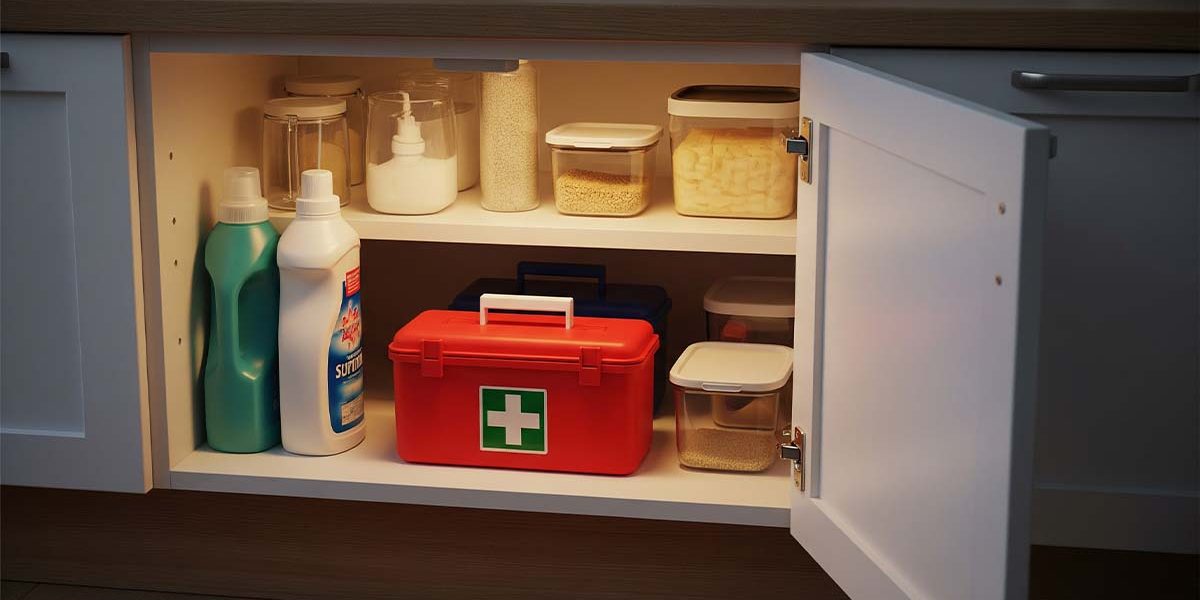
Accidents can happen in the blink of an eye—at home, outdoors, or even during your daily routine. That’s why having the right home first-aid items within reach is essential. A well-stocked first aid kit not only helps manage minor injuries but can also be crucial during emergencies. Whether it’s a scrape, a sprain, or a burn, having an urgent care kit can save time and provide immediate relief. At NineLife, we believe being prepared is part of good health. From medical kits to first aid boxes, your home should have the basics to manage any unexpected mishap.
Why Every Home Needs Essential Home First-Aid Items
Life doesn’t come with warnings. A simple kitchen mishap, a tumble on the stairs, or even a minor allergic reaction can escalate without the right tools at hand. That’s why curating the best home first-aid items is crucial. A comprehensive first aid kit allows you to act fast. It can prevent infections, reduce pain, and stabilize injuries until medical help arrives.
Your first aid box should not be an afterthought. It’s just as vital as groceries or personal hygiene products. Think of it as your home’s emergency companion. Whether it’s a pre-packed med kit or one you build on your own, what matters is that it’s stocked, organized, and accessible.
What to Include in Your Home First-Aid Kit
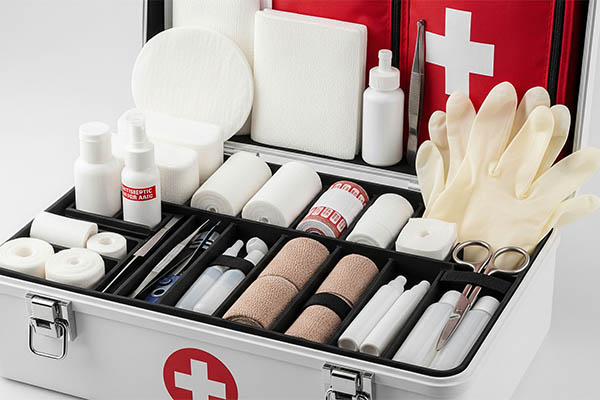
Basic Wound Care: Bandages, Gauze, and Antiseptics
Minor cuts and abrasions are common, especially if you have children or pets. Your first aid kit should contain adhesive bandages in multiple sizes, sterile gauze pads, and adhesive tape. Antiseptic wipes, hydrogen peroxide, and antibiotic ointments are must-haves for cleaning wounds.
These basics are non-negotiable. They help reduce the risk of infection and support faster healing. If you’re putting together a med kit, ensure these are replenished often.
Pain Relief and Medications
Your medical kit should include over-the-counter pain relievers like acetaminophen or ibuprofen. Add antihistamines for allergies and hydrocortisone cream for rashes or insect bites. Medications for stomach upsets, like antacids or anti-diarrheal tablets, should also be included.
Always check expiry dates and keep a list of what’s inside your first aid box. This ensures that you’re not caught off guard when the need arises.
Emergency Tools and Equipment
No urgent care kit is complete without tools. Include a digital thermometer, tweezers, scissors, safety pins, and disposable gloves. A CPR mask and instant cold packs are essential additions. These tools play a key role during more serious situations, such as falls, burns, or choking.
A flashlight and extra batteries should also be part of your first aid kit, especially if your power goes out during an emergency. These are items that should have in emergency tools and equipment.
Specialized Items for Chronic or Women’s Health
If someone in your family has a specific medical condition, add custom items to your med kit. For instance, if you’re managing women’s health supplements, be sure to store them properly and keep them accessible. Include items like heating pads for cramps, vitamin D, iron supplements, or any doctor-recommended daily aids. While not part of traditional first aid kits, they contribute to holistic emergency care at home.
Choosing the Best First Aid Kit for Your Home
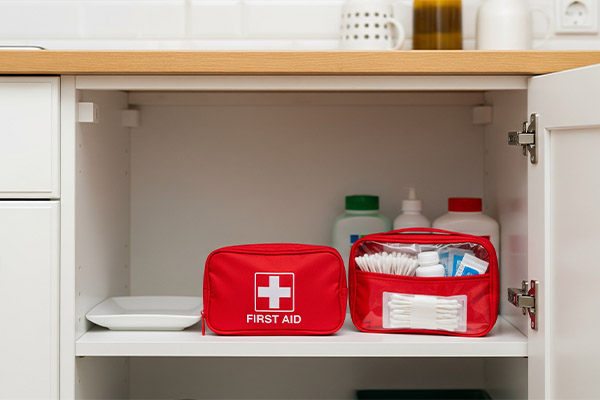
When selecting a first aid kit, prioritize quality and comprehensiveness. The best first aid kit is one that fits your lifestyle. If you travel often, a portable urgent care kit might be more suitable. For families, opt for larger first aid boxes with multiple compartments for easy organization.
Some brands even offer animal-based protein powder and general wellness products alongside their medical kits, but for emergency readiness, focus strictly on your health needs. Buy from a reputable source like NineLife, which provides a range of first aid kits and health essentials under one trusted roof.
Where to Store Your First Aid Box
Your home first-aid items won’t be helpful if you can’t find them quickly. Store your first aid box in a cool, dry place—ideally in your kitchen, bathroom, or linen cabinet. Make sure it’s out of reach of children but still easily accessible to adults.
It’s also wise to keep a backup med kit in your car, especially if you go on road trips or spend time outdoors. This guarantees you’re prepared wherever you go.
When to Replace Items in Your Med Kit
Every three to six months, check your medical kit for expired items or damaged packaging. Replace anything that’s close to expiring. Restock used supplies right after any incident.
Updating your urgent care kit ensures you’re always prepared. Remember, it’s not a one-time purchase. It’s an evolving safety measure.
Building Confidence Through Preparation
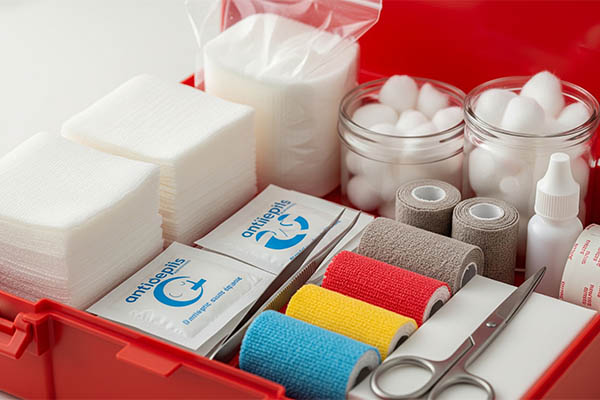
Knowing you have essential home first-aid items at your fingertips builds confidence. Emergencies create panic, but preparation creates calm. Whether you’re tending to a scraped knee or managing a sprain, your first aid kit becomes the first responder in your home.
At NineLife, we encourage every household to take safety seriously. From curated first aid boxes to personalized med kits, we’re here to support your health journey—one cabinet at a time.
Explore our wide collection of first aid kits and health essentials tailored for every need. Stay safe, stay prepared—shop now at NineLife.com.





