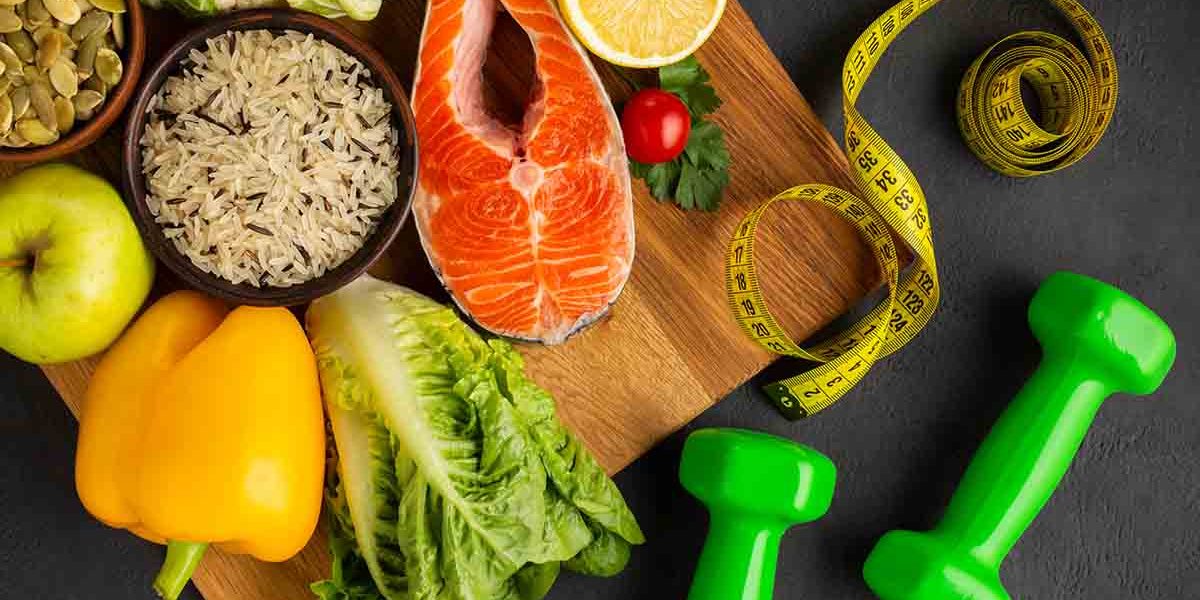
Athletes are constantly working to optimize their performance, and diet plays an important role in reaching peak physical condition. But what do athletes eat? Better yet, what shouldn’t athletes eat? While certain foods improve athletic efforts, others can be detrimental. Here are a few key food items that athletes should replace with healthy, easy-to-digest foods.
Processed and Sugary Foods
Processed foods, often high in sugars and unhealthy fats, can negatively impact an athlete’s performance. Items like candy, soda, cookies, and fast food provide quick energy spikes, but they’re followed by sharp drops that lead to fatigue and decreased stamina. These foods can also contribute to weight gain, which can hinder both agility and endurance. Processed foods typically lack essential nutrients as well, such as those required for recovery and muscle repair.
High-Fat Food Items

Foods high in fat, such as fried foods, heavy cream-like sauces, and fatty cuts of meat, are far from easily digested foods and make athletes feel sluggish as a result. These foods are calorie-dense but nutrient-poor, meaning that they offer very little nutritional benefit while contributing to unhealthy weight gain. Additionally, a diet high in these fats can increase the risk of developing cardiovascular diseases, which can have negative effects on an athlete’s health.
Alcoholic Beverages
Alcohol is another substance that athletes should avoid. It dehydrates the body, which leads to impaired performance, coordination, and reaction time. Alcohol also disrupts sleep patterns, which are a must for appropriate recovery and muscle growth. Further, alcohol can interfere with the body’s ability to absorb nutrients. This can further hinder athletic performance and increase the risk of getting injured.
High-Sodium Foods
Excess sodium can lead to water retention and increased blood pressure, plus they are not the easiest foods to digest. Both of these issues can be detrimental to athletic performance. Processed snacks, canned soups, and certain sports drinks are often high in sodium. While sodium is necessary for maintaining electrolyte balance, especially in endurance sports, it’s important to keep the salt content in your diet relatively low.
Artificial Sweeteners
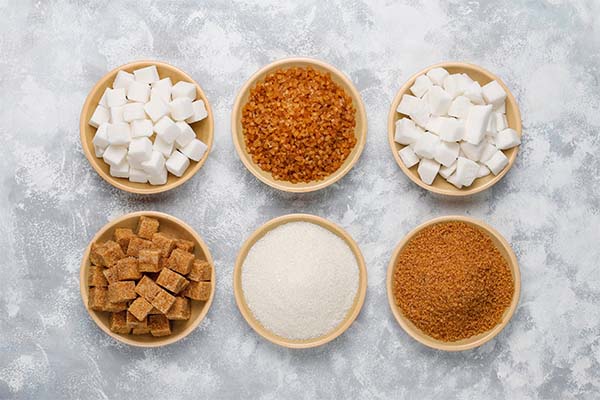
Artificial sweeteners, which are found in many low-calorie and diet snacks and drinks, can cause GI discomfort, so they’re not among foods easy to digest by any means. The discomfort these ingredients cause may include bloating and gas, which can be distracting and uncomfortable during training and competitions. Some studies also suggest that these sweeteners might negatively impact metabolism and appetite regulation.
Anyone exercising should focus on consuming whole, nutrient-rich athlete foods that support both training efforts and recovery processes. By learning about what foods are easy to digest and avoiding potentially risky snacks and drinks, they can maintain optimal performance and overall health. Planning out a well-balanced diet that’s rich in fruits, vegetables, lean proteins, and whole grains, is the key to athletic success.