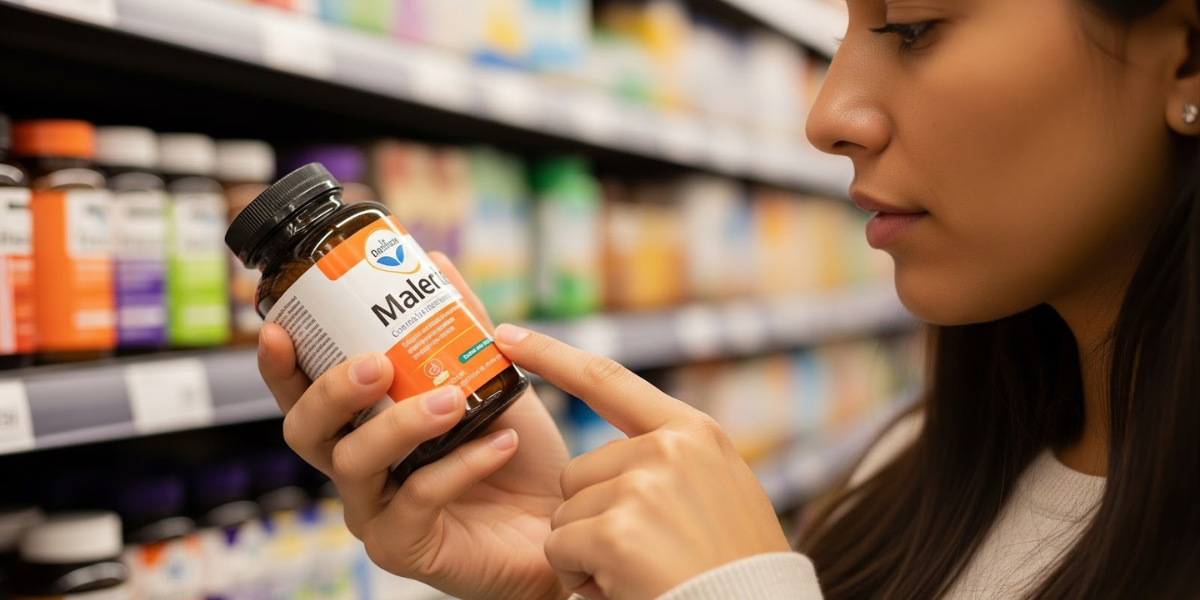
Walking down the vitamin aisle can feel like decoding a secret language. With thousands of bottles promising everything from peak athletic performance to better sleep, it is easy to feel overwhelmed. However, the key to making informed choices for your health isn’t found in the flashy marketing on the front of the bottle; it’s hidden in the fine print on the back.
Learning how to read supplement labels is a crucial skill for anyone looking to optimize their wellness. Whether you are a fitness enthusiast or simply looking to fill nutritional gaps, understanding the supplement facts label ensures you get exactly what you need without the fillers you don’t.
What is a Supplement Facts Label?
Just as packaged foods are required to have a Nutrition Facts panel, dietary supplements must feature a Supplement Facts panel. This area is regulated by health authorities to provide a standardized look at what is inside the bottle.
A standard label includes the serving size, the number of servings per container, and a list of dietary ingredients. While it might look similar to a food label, there are distinct differences in how vitamin labels report dosages and daily values. Knowing how to read vitamin labels allows you to compare products accurately and avoid doubling up on specific nutrients.

Key Components of Supplement Labels
To navigate these labels like a pro, you need to break them down into four primary sections:
1. Serving Sizes
This is the most common place where consumers make mistakes. A bottle might boast “1,000mg of Vitamin C,” but the supplement facts label might reveal that a serving is actually two or three capsules. Always check the serving size first to ensure the “value” of the bottle matches your daily routine.
2. Percent Daily Value (% DV)
The % DV tells you how much a nutrient in a serving of the supplement contributes to a total daily diet. For many supplement ingredients, you will see percentages well over 100%. While this is common for water-soluble vitamins like B12, it is important to monitor fat-soluble vitamins (A, D, E, and K), as these can build up in the body over time.
3. The “Other Ingredients” List
This section is found below the main facts panel. It lists everything used to make the pill, capsule, or liquid that isn’t an active nutrient. This includes:
- Fillers: Like rice flour or magnesium stearate.
- Binders: Used to hold tablets together.
- Flavorings and Sweeteners: Common in gummies or powders.
- Allergens: Look here for mentions of soy, dairy, gluten, or shellfish.
4. Botanical and Proprietary Blends
Many Korean skincare products and wellness supplements use herbal blends. If a label lists a “Proprietary Blend,” it must list the ingredients in descending order of weight, but it does not have to disclose the exact milligram amount of each herb. As a pro tip: look for brands that offer full transparency rather than hiding behind blends.
Understanding Different Types of Supplement Ingredients
Not all nutrients are created equal. When you are learning how to read supplement labels, pay close attention to the form of the vitamin or mineral.
- Bioavailability: This refers to how well your body can absorb the nutrient. For example, Magnesium Citrate is generally better absorbed than Magnesium Oxide.
- Synthetic vs. Natural: Some vitamin labels will specify if the source is whole-food based or synthetic. While synthetic vitamins are chemically identical to natural ones, some people prefer food-based versions for the additional phytonutrients they provide.
- Standardized Extracts: For herbal supplements, look for the word “standardized.” This ensures that a specific amount of the plant’s active compound is present in every dose.

Safety and Quality Seals to Look For
Because supplements are not regulated in the same way as prescription drugs, third-party testing is the gold standard for quality. When scanning supplement facts, look for these seals of approval:
- USP (U.S. Pharmacopeia): Verifies that the product contains the ingredients listed on the label in the declared potency.
- NSF International: Often used for sports supplements to ensure they are free of banned substances.
- Third-Party Lab Tested: Many premium brands provide a QR code on the label that links to a “Certificate of Analysis” (COA).
Tips for Choosing the Best Supplements
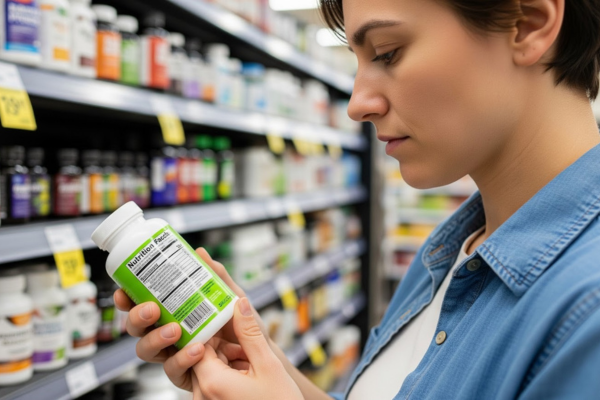
Now that you know how to read supplement labels, follow these steps to build a safe and effective regimen:
- Check the Expiration Date: Potency declines over time, especially for probiotics and oils.
- Avoid Excessive Additives: If the “Other Ingredients” list is longer than the actual supplement facts, you might be paying for unnecessary chemicals.
- Consult a Professional: Always speak with a healthcare provider before starting a new supplement, as certain supplement ingredients can interact with medications.

Final Thoughts on Supplement Transparency
Mastering how to read vitamin labels empowers you to take control of your health. By focusing on serving sizes, ingredient forms, and third-party certifications, you can move past the marketing hype and choose products that truly support your wellness goals.Remember, the goal of supplementation is to supplement a healthy diet, not replace it. By being a savvy label reader, you ensure that every capsule you take is a meaningful investment in your long-term vitality.