
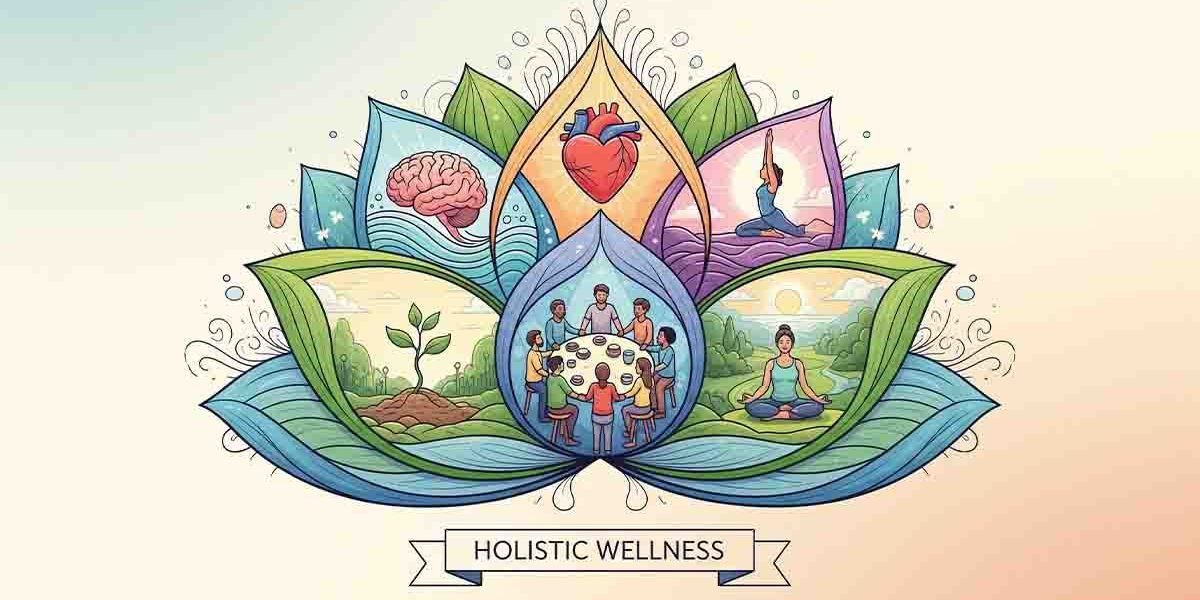
In today’s fast-paced world, wellness is often seen as simply maintaining physical health or sticking to a workout routine. However, a truly effective approach to well-being goes beyond just exercise or diet. Holistic wellness considers the entire person — body, mind, and spirit — and focuses on achieving balance in all areas of life. By understanding what is holistic health, individuals can adopt a lifestyle that nurtures not only their physical body but also their emotional and mental state.
What Is Holistic Health?
Holistic health is an approach that emphasizes the interconnection between physical, emotional, and spiritual well-being. Unlike conventional medicine, which often targets specific symptoms, holistic medicine aims to treat the root cause of ailments while promoting overall wellness. Holistic care encourages individuals to take responsibility for their health through lifestyle choices, self-awareness, and proactive wellness practices.
Holistic professionals often guide patients or clients to integrate natural therapies, nutrition, stress management, and physical activity into their daily routines. This approach ensures that all aspects of health are addressed, creating a sustainable path toward long-term wellness.
Principles of Holistic Wellness
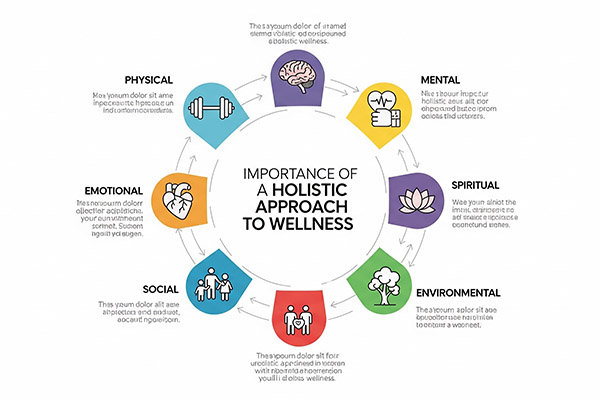
At the core of holistic wellness is the understanding that mind, body, and spirit are deeply interconnected. Practices like mindfulness meditation, yoga, and breathing exercises are examples of holistic healing techniques that promote mental clarity, reduce stress, and improve overall health. Holistic self care encourages individuals to listen to their bodies, recognize signs of imbalance, and take proactive steps to restore harmony.
Nutrition plays a crucial role in holistic care. A balanced diet rich in whole foods, vitamins, and minerals supports both physical and mental well-being. By combining proper nutrition with physical activity and stress management, holistic wellness becomes a sustainable lifestyle rather than a temporary fix.
Holistic Medicine: Treating the Whole Person
Holistic medicine emphasizes treating the whole person rather than just isolated symptoms. It integrates traditional medical practices with alternative therapies such as acupuncture, herbal remedies, chiropractic care, and massage therapy. The goal is not only to alleviate illness but also to enhance overall vitality.
Holistic professionals often collaborate with patients to develop personalized wellness plans. These plans may include lifestyle adjustments, dietary recommendations, mental health strategies, and fitness routines. By focusing on the individual as a whole, holistic care provides long-term benefits that conventional treatments alone may not offer.
Mental and Emotional Well-Being

A holistic approach recognizes that mental and emotional health is as important as physical health. Stress, anxiety, and emotional imbalance can significantly impact overall wellness. Techniques like mindfulness meditation, journaling, and therapy are essential components of holistic self care.
By cultivating self-awareness and emotional resilience, individuals can better manage daily challenges, prevent burnout, and maintain a balanced life. Holistic wellness encourages reflection, positive thinking, and emotional intelligence, which contribute to long-term health and satisfaction.
Incorporating Holistic Practices into Daily Life
Incorporating holistic care into daily life can start with small, manageable steps. Morning meditation, balanced meals, regular exercise, and mindful breathing exercises are excellent starting points. Over time, these practices help develop habits that support mental clarity, physical strength, and emotional stability.
Holistic professionals often suggest setting realistic goals, tracking progress, and embracing a patient, compassionate approach toward oneself. A consistent routine of holistic self care ensures that wellness is maintained across all areas of life, reducing the risk of chronic illnesses and enhancing overall quality of life.
Benefits of Holistic Wellness

The benefits of holistic wellness are multifaceted. Physically, it enhances energy levels, strengthens the immune system, and promotes longevity. Emotionally, it reduces stress, increases self-awareness, and improves relationships. Spiritually, it encourages a sense of purpose, inner peace, and personal fulfillment.
Individuals who practice holistic healing often experience fewer health issues and report higher levels of life satisfaction. By addressing mind, body, and spirit together, holistic care fosters resilience and equips individuals to handle challenges more effectively.
Choosing the Right Holistic Approach
Not every approach works for everyone. Holistic professionals can guide you in identifying practices that align with your lifestyle and personal goals. Whether it’s integrating meditation, yoga, nutritional adjustments, or alternative therapies, a customized approach ensures that holistic wellness is both effective and sustainable.
Remember, the goal of holistic care is not perfection but balance. By focusing on overall well-being rather than isolated health concerns, you can achieve a lifestyle that supports physical vitality, emotional stability, and mental clarity.
Final Thoughts
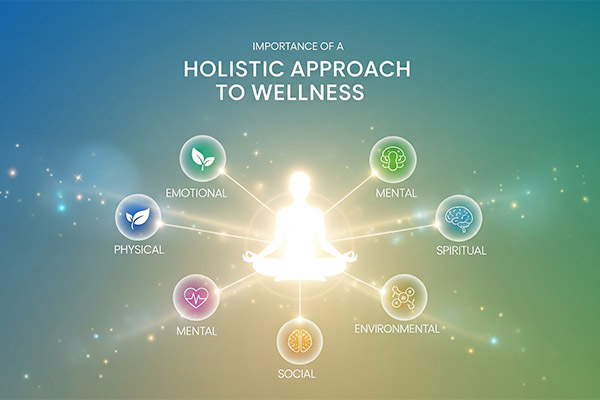
Holistic approach to wellness is more than a trend — it’s a comprehensive approach to life that nurtures the body, mind, and spirit. By understanding what is holistic care and integrating practices like holistic medicine, self care routines, and stress management, individuals can achieve long-term health and satisfaction.
For expert guidance on holistic wellness, personalized plans, and high-quality wellness products, explore the offerings at NineLife.





