
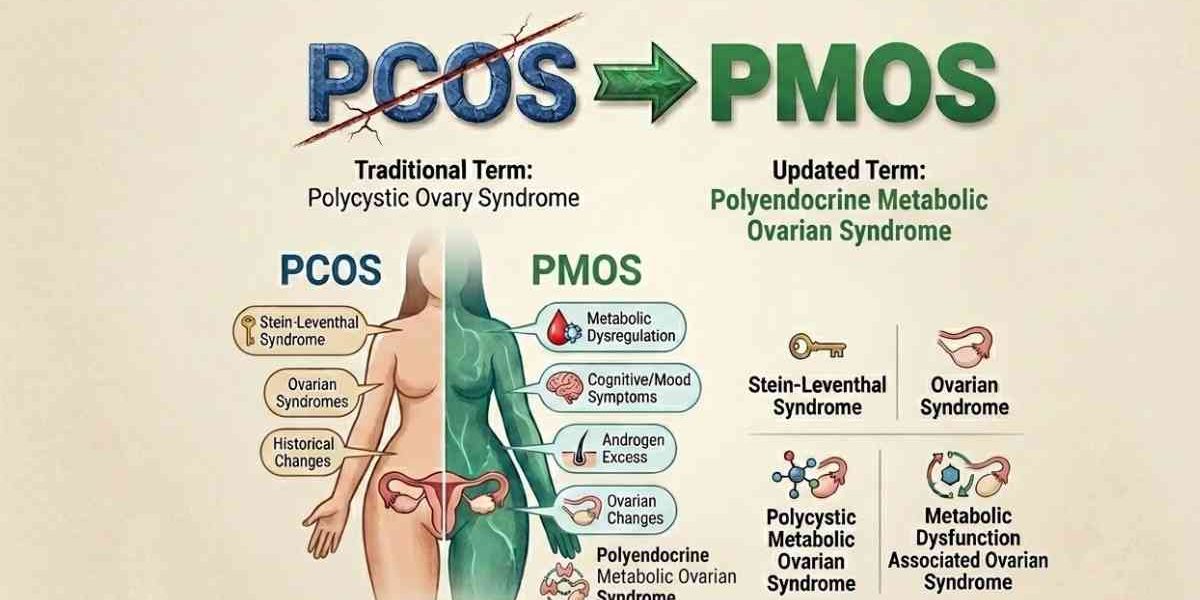
Recent discussions in women’s health have introduced a new perspective on a condition that affects millions worldwide. Many healthcare experts now believe that the traditional name does not fully describe the complexity of the disorder. As a result, conversations around PCOS vs PMOS have gained attention among researchers and medical professionals. The updated terminology highlights the broader metabolic and endocrine aspects of the condition. Understanding this shift can help women make informed decisions about their health and wellness.
For years, healthcare providers used the term Polycystic Ovary Syndrome or PCOS. However, the condition involves much more than ovarian cysts. Hormonal disruptions, metabolic challenges, and insulin-related issues often play major roles. The newer term, polyendocrine metabolic ovarian syndrome (PMOS), reflects these wider health concerns. This change aims to improve awareness and encourage a more comprehensive treatment approach.
Women experiencing symptoms often wonder whether the condition itself has changed. The answer is no. The understanding of the disorder has evolved, leading experts to reconsider how it should be described. Learning about the relationship between PCOS and PMOS can provide valuable insight into modern women’s healthcare.
PCOS vs PMOS

The discussion around PCOS vs PMOS focuses on how accurately the condition is described. Traditional PCOS terminology emphasizes ovarian symptoms. However, many women experience metabolic and hormonal issues that extend beyond the ovaries.
The term endocrine metabolic ovarian syndrome better reflects the body’s interconnected systems. It recognizes that hormonal regulation, insulin function, and metabolism all contribute to the condition.
The table below highlights key differences:
| Feature | PCOS | PMOS |
| Focus | Ovarian symptoms | Metabolic and endocrine health |
| Hormonal impact | Recognized | Strongly emphasized |
| Insulin resistance | Often discussed | Central focus |
| Diagnostic approach | Reproductive health focused | Whole-body health focused |
| Long-term management | Symptom control | Comprehensive wellness approach |
This comparison helps explain why many experts support the updated terminology.
PCOS Name Change 2026
The PCOS name change 2026 discussions emerged after growing scientific evidence showed that the condition affects multiple body systems. Researchers recognized that the original name could be misleading.
Many women diagnosed with PCOS never develop ovarian cysts. Meanwhile, they may experience significant metabolic challenges. This realization contributed to conversations about why PCOS was renamed PMOS.
The proposed terminology better reflects the complexity of the condition. It also encourages healthcare providers to focus on long-term metabolic health rather than only reproductive symptoms.
PCOS Changed to PMOS and What It Means

The phrase PCOS changed to PMOS does not mean women have a new disease. Instead, it reflects an updated understanding of the condition. Experts believe that the new name captures the broader health impacts more accurately.
PMOS meaning refers to a condition involving endocrine, metabolic, and ovarian health factors. The name emphasizes how hormones and metabolism interact with reproductive health.
Many women experience symptoms affecting multiple areas of life, including:
- Irregular menstrual cycles
- Weight management difficulties
- Increased fatigue
- Skin concerns
- Fertility challenges
- Insulin-related issues
This broader perspective helps healthcare professionals create more personalized care plans.
PMOS Symptoms
PMOS symptoms can vary significantly from one woman to another. Some women experience reproductive symptoms, while others notice metabolic changes first.
Common PMOS symptoms include:
- Irregular or absent periods
- Excess facial or body hair
- Acne and oily skin
- Weight gain
- Difficulty losing weight
- Fatigue
- Hair thinning
- Fertility concerns
Many of these symptoms overlap with traditional PCOS symptoms. This overlap explains why PMOS vs PCOS symptoms often appear similar.
However, PMOS places greater attention on metabolic indicators that may affect long-term health outcomes.
Polyendocrine Metabolic Ovarian Syndrome PMOS

Polyendocrine metabolic ovarian syndrome recognizes that multiple hormone systems influence the condition. The term highlights the interaction between reproductive hormones, insulin, and metabolic processes.
Research increasingly links insulin resistance and PMOS. Elevated insulin levels may contribute to hormonal disruptions and worsen symptoms. Managing insulin levels can therefore become an important part of treatment.
Hormonal imbalance in PMOS may affect:
- Menstrual cycles
- Ovulation
- Energy levels
- Mood
- Metabolism
Understanding these connections helps women take a more proactive approach to their health.
Why Did PCOS Name Change
Many people ask why did PCOS name change. The primary reason involves accuracy. Medical experts wanted terminology that better reflects current scientific understanding.
The previous name focused heavily on ovarian cysts. Yet not all women with the condition have cysts. At the same time, metabolic and endocrine issues often affect nearly every aspect of health.
The updated terminology encourages a more complete evaluation of symptoms and risk factors. It also supports greater awareness of metabolic health and PMOS.
Women can improve overall wellness through:
- Balanced nutrition
- Regular physical activity
- Stress management
- Quality sleep
- Medical guidance when needed
These habits support both hormonal and metabolic health.
PMOS Diagnostic Criteria

PMOS diagnosis typically involves evaluating symptoms, hormone levels, metabolic markers, and reproductive health indicators.
Healthcare providers may assess:
| Assessment Area | Purpose |
| Hormone testing | Evaluate hormone levels |
| Blood sugar testing | Assess insulin function |
| Medical history | Review symptoms |
| Physical examination | Identify visible signs |
| Ultrasound | Examine ovarian health |
Although diagnostic approaches continue to evolve, early evaluation remains important.
A timely PMOS diagnosis allows women to manage symptoms more effectively and reduce future health risks. Healthcare professionals may recommend individualized plans based on each woman’s specific needs.
PMOS Treatment
PMOS treatment focuses on addressing both symptoms and underlying metabolic factors. Treatment plans vary depending on age, symptoms, and health goals.
Common PMOS treatment approaches include:
- Nutrient-rich eating habits
- Regular exercise
- Weight management support
- Stress reduction strategies
- Sleep improvement
- Medical therapies when appropriate
Many healthcare providers now emphasize metabolic health and PMOS management together. Addressing insulin resistance and PMOS may help improve hormone balance and overall wellbeing.
PMOS women’s health strategies often focus on long-term wellness rather than short-term symptom relief. This comprehensive approach supports better outcomes over time.
FAQs

Is PCOS being renamed to PMOS?
Some researchers and experts have proposed PMOS as a more accurate name. However, PCOS remains widely used in clinical practice.
Why is PCOS now PMOS?
The proposed change reflects the broader endocrine and metabolic nature of the condition rather than focusing only on ovarian symptoms.
Who changed PCOS to PMOS?
The discussion emerged from medical researchers and experts seeking terminology that better represents current scientific understanding.
What is PCOS or PMOS?
Both terms refer to a condition involving hormonal, reproductive, and metabolic health challenges. PMOS is a newer proposed name.
What is PMOS full form?
PMOS stands for polyendocrine metabolic ovarian syndrome.
What are the first signs of PCOS?
Early signs may include irregular periods, acne, weight gain, excess hair growth, and difficulty with ovulation.
What foods should I avoid with PCOS?
Many experts recommend limiting highly processed foods, sugary drinks, refined carbohydrates, and excessive added sugars.
Can PMOS affect long-term health?
Yes. Without proper management, it may influence metabolic health, cardiovascular risk, and overall wellbeing.
Is insulin resistance common in PMOS?
Yes. Insulin resistance and PMOS are closely connected and often play a significant role in symptom development.
As research continues to evolve, the discussion around PCOS changed to PMOS helps create a broader understanding of women’s health. By focusing on hormones, metabolism, and overall wellness, women can take meaningful steps toward better long-term health. Explore more women’s wellness resources and nutritional support at NineLife.





