
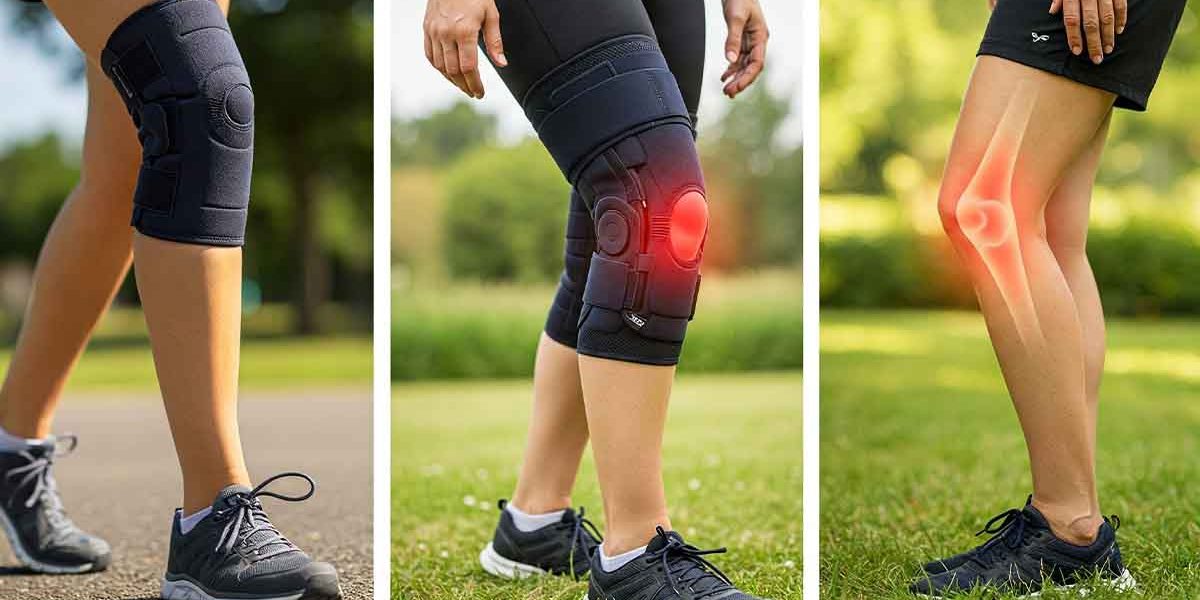
Knee pain is one of the most common issues affecting people of all ages, especially among active individuals and older adults. From occasional discomfort to chronic knee pain, understanding what causes it and how to manage or prevent it can significantly improve your quality of life. Whether you’re someone who frequently asks, “Why do my knees hurt?” or you’re simply looking for ways to strengthen your knees, the good news is that there are simple yet effective strategies to keep your knees pain-free.
Understanding the Causes of Knee Pain
Before jumping into how to fix knee pain, it’s important to understand what might be triggering it. For many people, the problem lies in overuse, poor posture, or improper movement during daily activities. For others, knee pain stems from medical conditions like arthritis, inflammation, or injuries. Knee pain in ladies is especially common due to hormonal changes, wider hips, and higher susceptibility to joint issues.
The Role of Stretching and Movement
One of the most effective ways to prevent or reduce knee discomfort is through targeted stretches for knee pain. Gentle exercises improve flexibility, reduce stiffness, and strengthen the muscles around your knees. Incorporating stretches like hamstring stretches, quad stretches, and calf raises into your daily routine can do wonders.
For those wondering how to relieve knee pain without medication, consistent movement is key. Avoid sitting for long periods, and try to move your legs regularly to keep the joints lubricated.
Building Strength to Protect Your Knees
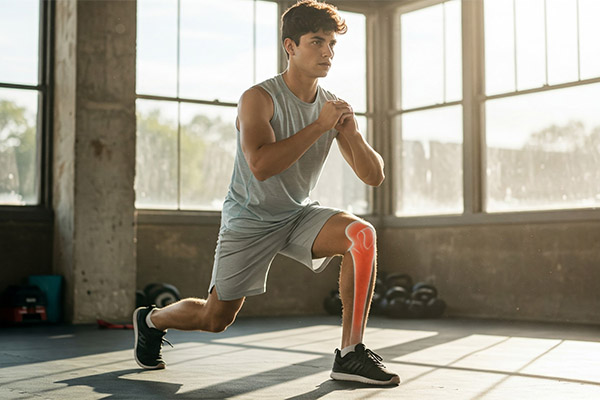
If you’re looking for advice on how to stop knee pain, focusing on strength training is essential. Weak leg muscles can lead to imbalances and increased pressure on your knees. Incorporating low-impact exercises like walking, swimming, or using resistance bands can build muscle while being gentle on the joints.
In particular, strengthening your hamstrings, glutes, and quads can take the strain off your knees and prevent future issues. For those dealing with chronic knee pain, working with a physical therapist can help build a personalized plan tailored to your needs.
Maintain a Healthy Weight
Carrying excess weight places additional stress on your knees. Studies show that for every pound of extra weight, four pounds of pressure are added to the knees. So, losing even a small amount of weight can lead to significant improvements in knee health. Combine a balanced diet with regular exercise for the best results.
Proper Footwear Makes a Difference
One often overlooked factor when it comes to knee pain is your shoes. Wearing high heels or poorly cushioned shoes can alter your gait and lead to joint issues. Supportive, shock-absorbing footwear helps align your body correctly and prevents unnecessary stress on your knees.
Know When to Rest
Sometimes, your knees simply need a break. If you’re experiencing swelling or sharp pain, rest is crucial. Apply ice, elevate your legs, and avoid strenuous activity until the pain subsides. Overtraining or ignoring signs of fatigue can worsen the problem and turn a minor ache into a long-term issue.
Nutrition for Joint Health
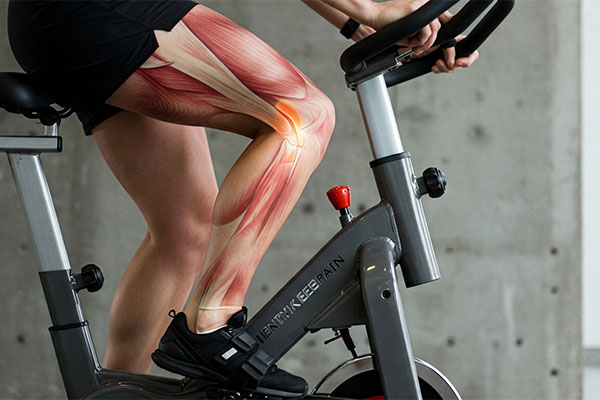
Your diet plays a significant role in joint and bone health. Including anti-inflammatory foods like leafy greens, fatty fish, and berries can support recovery and reduce pain. If you’re wondering how to fix knee pain from the inside out, the right nutrients can be game-changing. Try these tips and tricks to cut down on junk food—opt for healthy snack swaps, stay hydrated to curb cravings, and plan your meals in advance.
Vitamins and Minerals Athletes Must Take
Athletes, in particular, place extra demands on their joints. To maintain performance and avoid injury, it’s essential to include nutrients that support joint and muscle health. Key vitamins and minerals include:
- Vitamin D and calcium for bone strength
- Omega-3 fatty acids to fight inflammation
- Magnesium for muscle relaxation
- Collagen supplements to support joint health
Whether you’re a weekend runner or a competitive athlete, proper supplementation supports your performance and helps prevent joint wear and tear.
Support Tools to Reduce Impact
If you’re active, using knee braces, compression sleeves, or orthotic inserts can help absorb shock and stabilize your joints. These tools are especially useful during high-impact activities or recovery phases.
When to Seek Professional Help
If home remedies don’t bring relief or the pain worsens over time, consult a healthcare provider. Persistent pain, swelling, or instability could indicate an underlying condition that requires medical attention.
Final Thoughts
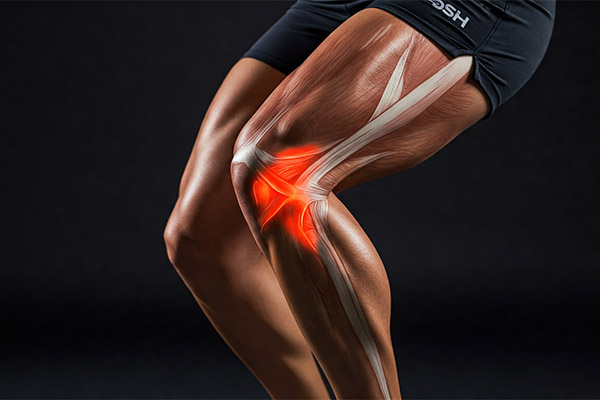
Knee health is crucial for maintaining mobility, comfort, and independence. Understanding how to relieve knee pain and making small, consistent changes in your daily routine can go a long way. Whether you’re battling chronic knee pain or just want to stay ahead of it, focus on strengthening, stretching, proper nutrition, and overall joint care.
For vitamins, minerals, and wellness products that support your joint health journey, explore the curated collection at NineLife.





