
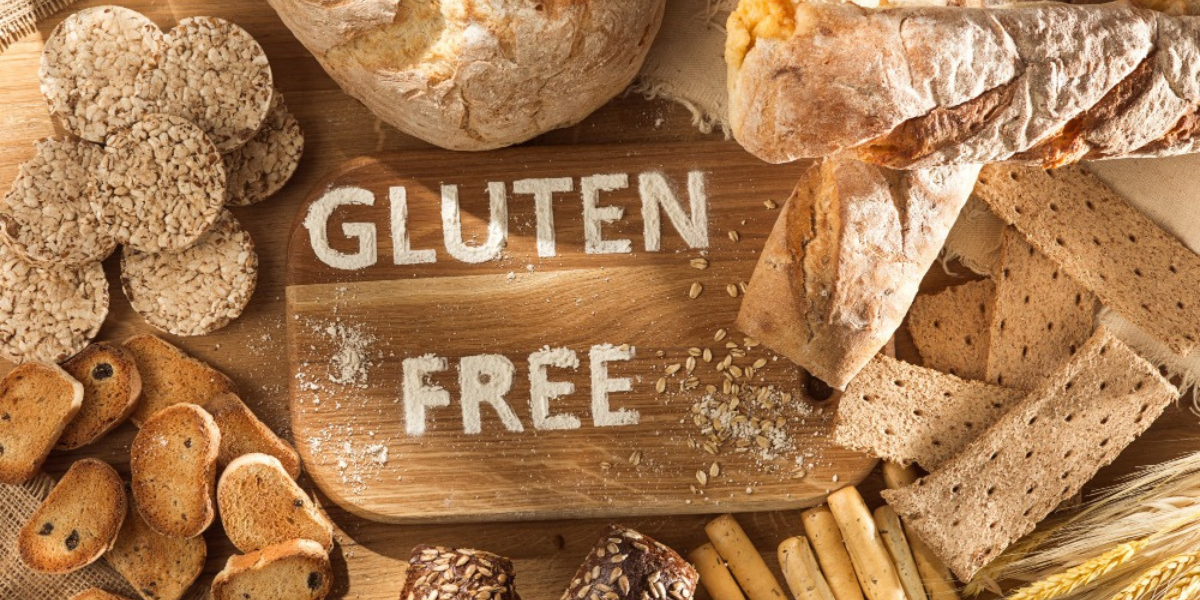
A gluten-free diet has become a popular choice for individuals seeking better health, especially those diagnosed with gluten-related conditions. Whether you’re new to this lifestyle or looking to learn more, understanding what gluten is and the benefits of gluten-free diets can help you make informed choices. Let’s dive into the essentials of gluten-free eating, its benefits, and tips for starting your gluten-free journey.
What Is Gluten?
Gluten is a protein found in grains like wheat, barley, and rye. It gives bread its elasticity and structure, making it a vital ingredient in many baked goods. While gluten is harmless for most people, it can cause adverse reactions in those with celiac disease, gluten sensitivity, or wheat allergies.
A gluten-free diet eliminates all foods containing gluten, helping individuals manage these conditions and improve their overall health.
Gluten-Free Foods to Include in Your
Diet
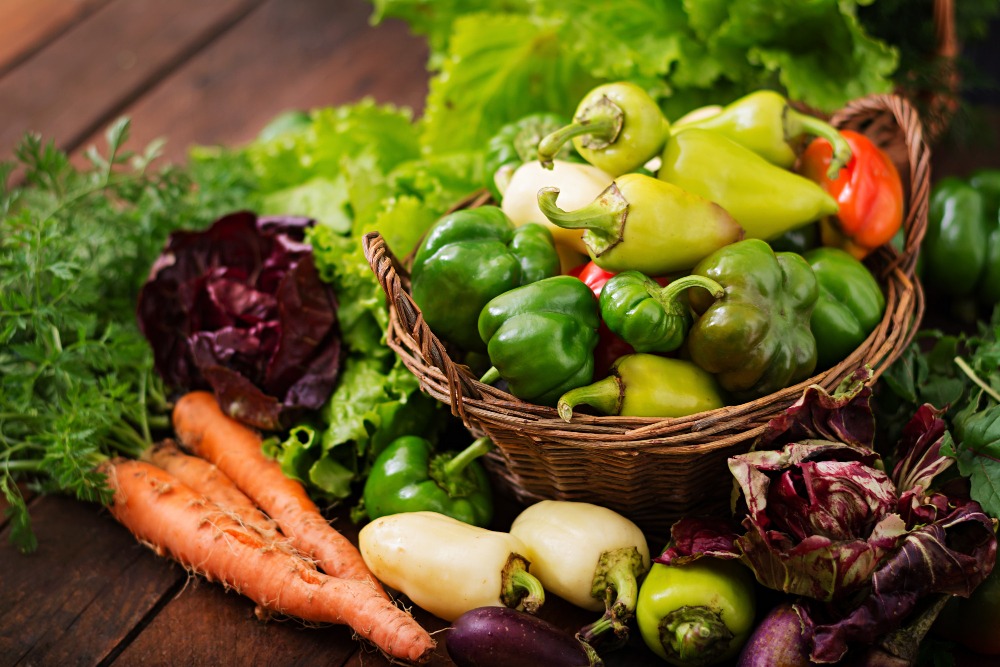
Switching to a gluten-free diet doesn’t mean giving up variety or flavor. There are plenty of gluten-free foods that can form the foundation of your meals. Examples include:
- Fruits and vegetables
- Lean proteins like chicken, fish, and eggs
- Legumes such as beans and lentils
- Gluten-free grains like quinoa, rice, and millet
- Nuts and seeds
When shopping, look for certified gluten-free products to ensure they’re free from cross-contamination. There’s a growing selection of gluten-free alternatives for bread, pasta, and baked goods, making it easier than ever to enjoy your favorite meals.
The Benefits of Gluten-Free Diets
For those with gluten-related conditions, following a gluten-free diet can lead to significant health improvements. However, the benefits of gluten-free eating extend beyond managing these conditions:
- Improved Digestion: Many people experience reduced bloating, gas, and stomach discomfort after eliminating gluten.
- Increased Energy Levels: Removing gluten can help alleviate fatigue associated with gluten intolerance or sensitivity.
- Better Skin Health: Gluten-free diets may reduce inflammation that contributes to skin issues like acne or eczema.
- Blood Pressure Control: Research suggests that a gluten-free diet could help some individuals maintain healthier blood pressure levels due to its emphasis on whole, unprocessed foods.
Preventing Malnutrition While on a
Gluten-Free Diet
While gluten-free diets have many benefits, they can lead to malnutrition if not properly balanced. Many gluten-free products are lower in essential nutrients like fiber, iron, and B vitamins. To avoid nutritional deficiencies, focus on incorporating nutrient-dense gluten-free foods such as leafy greens, fortified gluten-free products, and healthy fats into your meals.
How to Start a Gluten-Free Diet Plan
Embarking on a gluten-free diet can feel overwhelming at first, but with careful planning, it becomes manageable. Follow these steps to create a sustainable gluten-free diet plan:
- Educate Yourself: Learn to read food labels to identify hidden sources of gluten.
- Stock Your Pantry: Replace gluten-containing staples with gluten-free alternatives like gluten-free flour, pasta, and snacks.
- Plan Balanced Meals: Incorporate a mix of protein, healthy fats, and gluten-free carbs to ensure you’re meeting your nutritional needs.
- Experiment in the Kitchen: Explore new recipes using gluten-free foods to keep your meals exciting and flavorful.
Gluten-Free Products to Explore
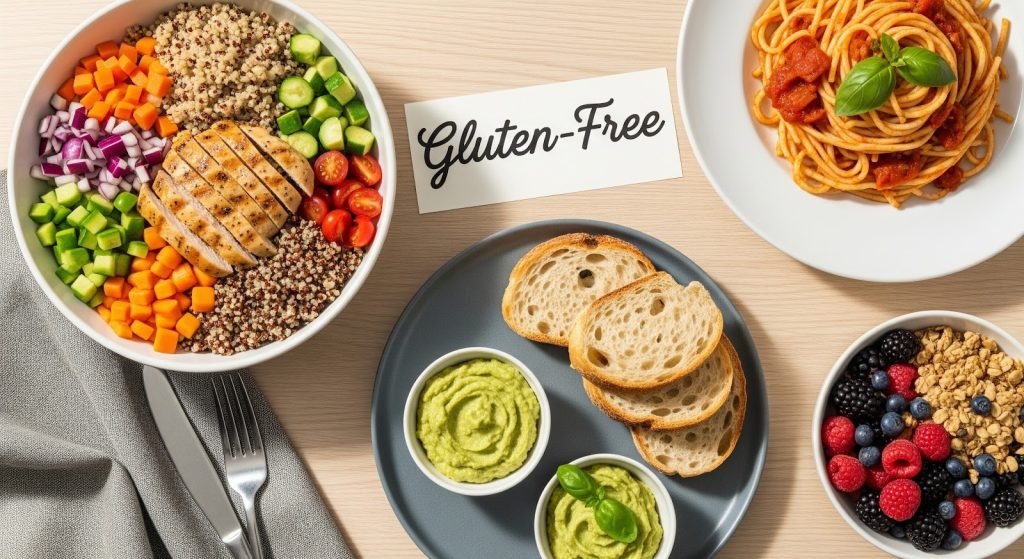
The rise in demand for gluten-free products has resulted in a wide range of options, from bread and crackers to desserts and condiments. Popular choices include:
- Gluten-free bread made from rice or almond flour
- Gluten-free snacks like granola bars and chips
- Pre-made gluten-free pastas and pizza crusts
When buying packaged gluten-free foods, always check the label for added sugars and preservatives to maintain a healthier diet. Including gluten-free products like certified gluten-free flour and snacks can make it easier to maintain a balanced diet.
Is a Gluten-Free Diet Right for You?
While a gluten-free diet is essential for those with gluten intolerance or celiac disease, it’s not necessary for everyone. Consult a healthcare professional or dietitian before making significant dietary changes to ensure it’s the right choice for you.
Final Thoughts on Gluten-Free Living
A gluten-free diet can transform your health by addressing gluten-related conditions, boosting energy, and improving digestion. By focusing on whole, natural foods and planning meals carefully, you can enjoy the benefits of gluten-free eating without sacrificing variety or nutrition.





