

Protein plays an essential role in muscle repair, hormone production, and immune function, as well as overall health. While most of us are aware of its importance, questions come up about how to get the right amount from your diet, as well as how much protein the body can reasonably use. Let’s explore the science behind protein absorption, debunk a few common myths, and provide tips on how to ensure your diet is protein-rich.
How Does Protein Absorption Work?
When you consume food with protein in it, your digestive system breaks it down into amino acids. This is done through enzymatic processes in both the stomach and small intestine. The amino acids are then absorbed into the bloodstream where they’re transported to cells for various functions.
How Much Protein Can Your Body Absorb at One Time?

A frequently asked question is, “How much protein can your body absorb at once?”
Physiologically, your digestive system is capable of absorbing nearly all the protein you consume. However, the amount of that protein that can actually be used for specific bodily processes has its limits.
If you consume more than this amount at once, your body will use it for other applicable functions or store it as energy.
Breaking Down Misconceptions
A common misconception is that your body has a strict limit on protein absorption per meal. In reality, your body handles its protein supply quite efficiently. With this in mind, questions like, “How much protein can you absorb at once?” should focus more on how the absorbed protein is utilized.
How Much Protein Per Meal Should You Eat?
Protein should make up between 10% and 35% of your daily caloric intake. The average adult consumes around 2,000 calories daily, so protein should account for 200-700 of those calories.
That said, it’s a good idea to space out your protein intake throughout the day. Aim to eat 1/3 of your daily recommended protein at each meal. Distributing your protein across several meals doesn’t have to be exact, though. If you prefer a little more protein earlier in the day and a little less in the evening, make adjustments as needed.
How Many Grams of Protein a Day Is Optimal?
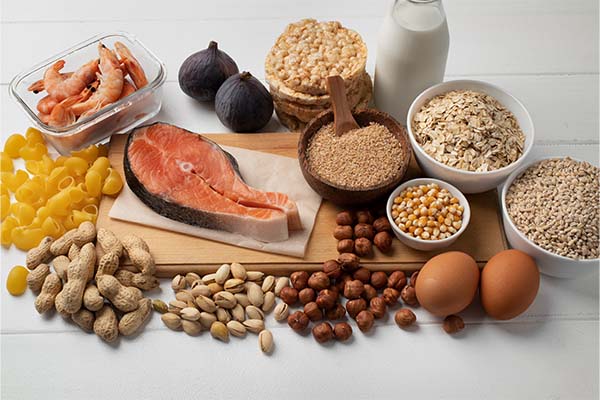
Total daily protein requirements can vary depending on several factors, like age, activity level, and health goals. General recommendations suggest 0.8 grams of protein per kilogram of body weight for sedentary individuals.
However, athletes or those aiming for muscle gain may need 1.2-2.0 grams of protein per kilogram of weight. For example, a 70-kilogram individual might need 56 grams of protein per day if he or she is sedentary. If they live an active lifestyle, though, they may need up to 140 grams of protein to maintain a healthy body condition.
Factors That Influence Protein Absorption
Not all protein absorption efforts are created equal. To ensure you’re getting enough to facilitate your body’s needs, consider the following:
- Type of Protein: Different proteins have different absorption rates. Whey protein is absorbed faster than casein, for example. Whole foods like eggs, chicken, and legumes have slower absorption due to their complex composition.
- Meal Content: Eating protein with fats or fibers can slow down digestion, which leads to more gradual absorption.
- Activity Levels: High physical activity increases energy needs and may enhance how efficiently the body uses protein.
Practical Tips for Meeting Your Protein Needs

Start off on the right track and make sure you’re eating the right foods. Consider chicken, turkey, salmon, or tuna. For vegetarians, try plant-based options like lentils, chickpeas, and quinoa. Eggs, Greek yogurt, cottage cheese, and nuts are also excellent sources of protein.
Even if you lead a very busy life, there are practices you can adopt to make protein absorption a little easier.
- Spread It Out: Divide your daily intake across three medium-sized or five smaller meals.
- Choose High-Quality Sources: Whenever possible, eat complete proteins such as lean meats, dairy, eggs, and unprocessed items (avoid junk food).
- Incorporate Snacks: Add protein-rich snacks like Greek yogurt or a handful of nuts to meet your daily needs on the go.
- Tailor to Goals: If your goal is muscle gain, consume a protein-rich meal after your workouts to support recovery.
Understanding how much protein your body can absorb is essential for maintaining your health and fitness. While your digestive system CAN absorb large amounts, utilizing protein efficiently depends on the distribution, meal composition, and your individual health needs.
Do your best to meet your protein requirements by eating balanced, protein-rich meals throughout the day. For additional guidance, speak to your healthcare provider about your diet. They can recommend more specific advice and help you make adjustments as your needs change.





