

Protein bars have become a convenient go-to snack for fitness enthusiasts, busy professionals, and even students looking for a quick source of energy. Whether you’re trying to build muscle, lose weight, or simply fuel your day, it’s easy to see why they’re so popular. But a common question many people ask is: how many protein bars a day is too many? Let’s explore this question and debunk a few common myths along the way.
What Is a Protein Bar?
A protein bar is a compact, nutrition-rich snack that usually contains a mix of protein, carbohydrates, and fats, along with added vitamins and minerals. It’s typically used as a supplement to meals or a convenient post-workout option. There are various types of protein bars on the market today—from low-sugar varieties to high-calorie options made for muscle gain. The goal of a protein bar is to provide a healthy dose of nutrients in a simple, grab-and-go form.
The Benefits of Protein Bars
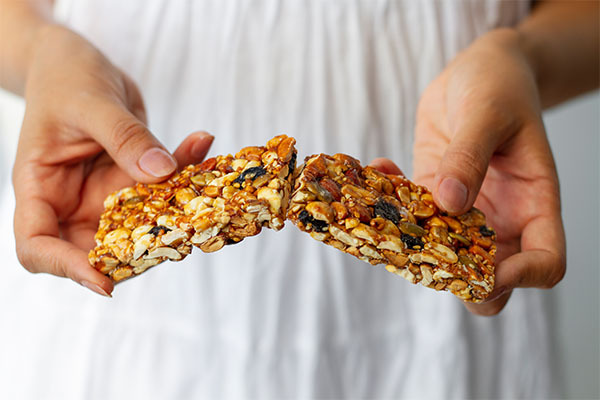
The benefits of protein bars extend beyond just fitness circles. For people constantly on the move, they offer:
- A convenient source of protein
- Appetite control between meals
- Muscle repair and recovery after workouts
- Energy before physical activity
- A healthier alternative to candy or junk food
Some healthy protein bars even come with added fiber, vitamins, and minerals, which contribute to overall nutrition. The key is choosing good protein bars made from natural ingredients and without excessive sugar or artificial additives.
Myth #1: You Can Eat Unlimited Protein Bars
One common myth is that since protein bars are healthy, you can eat as many as you like. However, moderation is essential. While they may be healthier than candy, many protein bars are still calorie-dense and can lead to weight gain if consumed in excess. Additionally, consuming too many in a day might put pressure on your kidneys or digestive system due to high protein levels.
So, how many protein bars a day is considered safe? For most people, one protein bar a day is more than enough—especially if you’re already getting protein from whole foods like eggs, chicken, legumes, or dairy. If you’re an athlete or someone doing intense workouts, you might be able to consume two a day, but it should still be within your total daily nutritional requirements.
Myth #2: All Protein Bars Are Created Equal
Another common misconception is that all protein bars offer the same benefits. In reality, there’s a big difference between good protein bars and ones loaded with sugar and preservatives. When searching for the best energy bars, always read the label. Look for:
- Protein content: At least 10–20g per bar
- Sugar: Less than 6–8g is ideal
- Fiber: Higher fiber helps with digestion
- Ingredients: Choose bars with whole food ingredients like nuts, seeds, oats, or dried fruits
Protein bars with low sugar are especially useful for those trying to manage weight or blood sugar levels. So, what is the healthiest protein bar? It’s usually the one with the cleanest label, high protein, low sugar, and minimal artificial ingredients.
When Should You Eat Protein Bars?
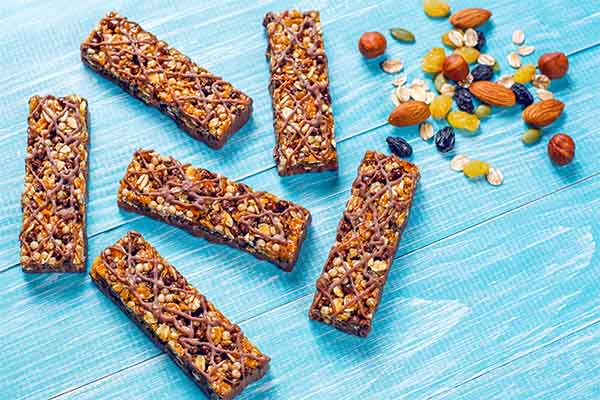
Timing matters when it comes to maximizing the benefits of protein bars. Here are a few ideal times to enjoy one:
- Post-Workout: After strength training or cardio, your muscles need protein to recover and grow.
- As a Snack: Between meals to curb hunger and prevent overeating.
- Pre-Workout: For a light energy boost before hitting the gym.
- During Busy Days: When you’re too swamped to have a proper meal.
Remember, protein bars are meant to supplement your diet, not replace whole meals.
Understanding Your Daily Protein Needs
To decide how many protein bars a day you should eat, consider your overall protein requirements. A sedentary adult generally needs around 0.8 grams of protein per kilogram of body weight. Athletes may need up to 1.6–2.2 grams per kilogram. Use these numbers to plan your meals and supplements accordingly.
If you’re already getting enough protein from your meals, there’s no need to rely on multiple bars. But if you have dietary gaps or higher physical demands, one or two bars may be appropriate—as long as they fit within your daily caloric intake.
Myth #3: Protein Bars Alone Will Build Muscle
While protein is essential for muscle building, eating protein bars without consistent strength training won’t lead to gains. Protein supplements support recovery and muscle maintenance but aren’t magic solutions. A balanced diet, exercise, and sleep all contribute to muscle growth and overall fitness.
Final Thoughts
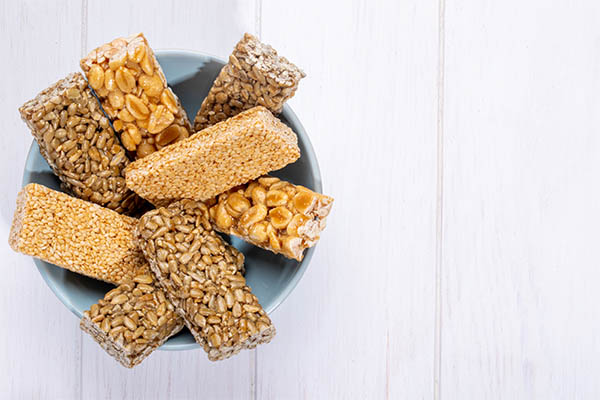
Protein bars can be a great addition to a healthy diet when used thoughtfully. The key is choosing the right type and consuming them in moderation. One a day is typically enough for most people, but two may work for those with intense activity levels. Just remember—real, whole foods should always be the foundation of your nutrition.
With so many options on the market, it’s easy to be overwhelmed. Take the time to find healthy protein bars that suit your taste, goals, and dietary needs. The best protein bars support your lifestyle without adding unnecessary sugar or calories, which you can easily find at NineLife.





