

Electrolytes are an important component of human health, as they play an essential role in managing the body’s many functions. They regulate hydration levels and ensure that muscle and nerve systems operate as they should. Yet, many people are not sure about their exact purpose or how to manage their electrolyte levels.
Let’s take a closer look at electrolytes, why they matter, and how to make sure you’re getting enough of them in your diet.
What Are Electrolytes?
Electrolytes are minerals that carry an electric charge and dissolve in the human body. They include sodium, potassium, calcium, magnesium, chloride, phosphate, and bicarbonate. When electrolytes are dissolved in water, they help conduct electricity, which is a must for a wide variety of bodily functions.
What Do Electrolytes Do?
Electrolytes are responsible for several processes in the body. For example, sodium chloride (ordinary table salt) helps regulate fluid levels inside and outside of cells. This process ensures that your body stays hydrated. Potassium aids in muscle contractions and heart function, while calcium helps keep bones healthy and enables nerve transmission.
When you sweat, urinate, or lose fluids when you’re sick, your electrolyte levels drop and need to be replenished. This is why athletes or those recovering from an illness often rely on drinks with electrolytes for a quick electrolyte boost.
How to Get Electrolytes Naturally

Electrolytes are available in everyday foods and beverages. If you’re wondering how to get electrolytes into your diet naturally, start by making sure you eat enough:
- Fruits and Vegetables: Bananas, oranges, spinach, and kale are rich sources of potassium and magnesium.
- Dairy Products: Milk and yogurt provide calcium and other electrolytes.
- Salt: Sodium chloride, the table salt found in most homes, is a primary source of sodium. However, like many minerals, it’s important to carefully monitor how much sodium is in your diet. Too much or too little can become a serious health concern.
- Nuts and Seeds: Almonds, sunflower seeds, and pumpkin seeds are excellent sources of magnesium and phosphorus.
The Role of Electrolyte Drinks
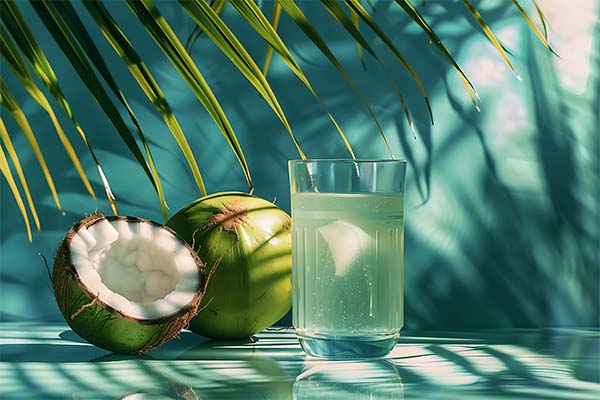
A balanced diet helps provide electrolytes for daily demands, but certain situations can deplete your levels. For example, if you participate in intense exercise, spend time in extreme heat, or become ill, you may need to combat electrolyte loss. This is where electrolyte drinks come into play, as these beverages are formulated to replace lost electrolytes and rehydrate the body.
Popular options include:
- Sports Drinks: These products contain a mix of electrolytes and carbohydrates for quick energy and rehydration. Be careful, though. Many of these drinks are high in sugar.
- Coconut Water: Coconut water is a natural alternative to sports drinks, and is both high in potassium and low in added sugars.
- Enhanced Water: Bottled waters infused with electrolytes for everyday hydration.
What About Electrolyte Powders?
Another popular option for replenishing electrolytes is electrolyte powder. This product type is ideal for individuals who want to manage their sugar intake and tend to be on the go.
For example, those who hike or backpack often carry a small packet of electrolyte powder for post-exercise recovery.
When Do You Need Extra Electrolytes?
Your body needs a baseline level of electrolytes every day, but there are times when additional intake is a must. As mentioned briefly, pay close attention to your electrolyte requirements if:
- You’ve Exercised: Strenuous physical activity leads to sweating, which depletes electrolytes quickly. Drinks with electrolytes can help restore your levels and prevent fatigue.
- You’re Battling an Illness: Vomiting, diarrhea, or fever can result in significant fluid and electrolyte loss, which could lead to dehydration if not properly addressed.
- You Live in a Hot Climate: High temperatures increase sweat production, which makes electrolyte replenishment essential.
The Dangers of Imbalances

Keeping your electrolyte levels balanced is just as important as including them in your diet. Both deficiencies and excess levels can lead to health issues.
Low sodium levels, also called hyponatremia, can induce nausea, headaches, confusion, and general weakness in muscles. On the other hand, excessive potassium or calcium levels can lead to irregular heartbeats, kidney problems, or bone issues.
To avoid these risks, focus on maintaining a balanced diet and use electrolyte products only as needed.
Everyday Habits for Healthy Electrolyte Levels
Adopting certain habits in your routine can help maintain optimal electrolyte levels. Do your best to stay hydrated, and include a healthy mix of electrolyte-rich foods in your diet. You’ll also want to pay attention to your body’s signals. If you’re experiencing symptoms like fatigue, cramping, or lightheadedness, you may be dealing with an electrolyte imbalance.
Electrolytes are essential for keeping your body hydrated, energized, and functioning properly. That said, it can be hard to ensure you’re keeping your levels balanced. When in doubt, it’s always wise to reach out to your healthcare provider. They can present you with science-backed advice to help you create a plan that works for you.
By understanding their purpose and staying mindful of your intake, you can achieve better well-being in all aspects of life.





